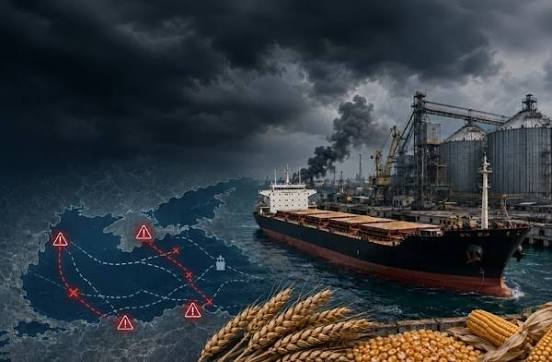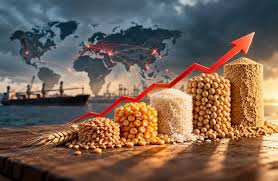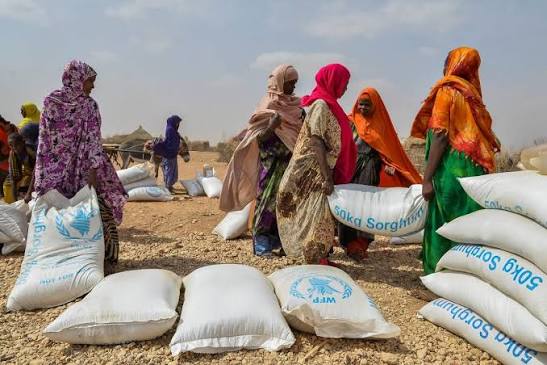
Food insecurity continues to affect millions of people worldwide, with 41 countries and territories still requiring external food assistance, according to the latest global food security assessment reported on November 17. Persistent conflicts, economic instability, extreme weather events and agricultural production challenges are among the major factors contributing to food shortages across vulnerable regions.
The assessment highlights the growing difficulties faced by countries struggling to maintain sufficient food supplies for their populations. Despite international relief programmes and efforts to strengthen agricultural production, millions of people continue to depend on humanitarian assistance to meet their basic nutritional requirements.
Africa remains the most affected region, accounting for 31 of the 41 countries and territories identified as requiring external food assistance. Several countries across the continent are experiencing overlapping challenges, including armed conflicts, prolonged droughts, flooding, displacement and economic difficulties.
Africa Faces the Highest Food Assistance Needs
Food insecurity remains particularly severe in parts of East Africa, Central Africa and the Sahel region. Countries such as Sudan, South Sudan, Somalia, Ethiopia, Chad and the Democratic Republic of the Congo continue to face significant humanitarian and agricultural challenges.
In Sudan, ongoing conflict has disrupted farming activities, damaged infrastructure and restricted access to food markets. Displacement has also forced many farming households to abandon agricultural land, reducing their ability to produce food and earn income.
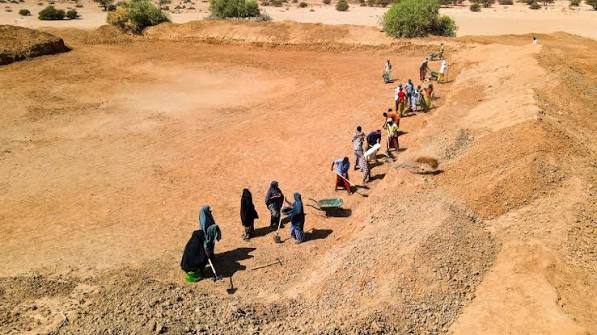
In parts of East Africa, irregular rainfall and prolonged dry conditions have affected livestock production, crop yields and water availability. Pastoral communities are particularly vulnerable because their livelihoods depend heavily on healthy livestock and reliable grazing resources.
Climate Change Adds Pressure on Agricultural Production
Extreme weather conditions are increasing the difficulties faced by vulnerable agricultural economies. Droughts can reduce crop productivity, damage pastureland and increase pressure on already limited water resources. Meanwhile, heavy rainfall and flooding can destroy standing crops, damage roads and interrupt the transportation of agricultural commodities.
The strengthening El Niño phenomenon is also creating additional uncertainty for global agricultural production. Changes in rainfall patterns and rising temperatures could affect planting schedules, crop development and harvesting activities in several regions.
Countries with limited irrigation infrastructure and inadequate agricultural investment are particularly exposed to these weather-related risks.
Economic Instability Makes Food Less Affordable
Food insecurity is not caused by insufficient agricultural production alone. Economic instability, currency depreciation, high transportation costs and rising food prices can prevent households from accessing available food supplies.
In several vulnerable countries, imported food has become increasingly expensive because of currency weaknesses and international market fluctuations. High fertiliser prices, fuel expenses and limited access to agricultural credit have also increased production costs for farmers.
As a result, even when food is available in local markets, many low-income households cannot afford sufficient quantities to meet their nutritional needs.
International Assistance and Agricultural Investment Remain Essential
Humanitarian organisations continue to provide emergency food supplies, nutritional support and agricultural assistance to affected populations. However, experts emphasise that long-term solutions must extend beyond emergency food distribution.
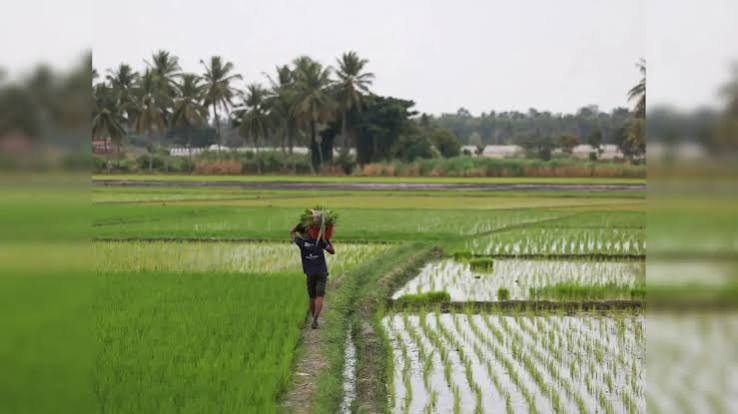
Investment in irrigation systems, climate-resilient seeds, rural infrastructure, agricultural research and improved storage facilities can help vulnerable countries strengthen domestic food production.
Supporting smallholder farmers is particularly important because they play a major role in food production and rural employment across developing economies.
Outlook for Global Food Security
The fact that 41 countries and territories continue to require external food assistance highlights the scale of the global food security challenge. Conflict, economic pressures and climate-related disruptions are increasingly interconnected, making recovery more difficult for vulnerable communities.
Strengthening international cooperation, improving agricultural productivity and expanding climate adaptation programmes will be essential to reducing long-term dependence on emergency food assistance.
For the global agricultural sector, the challenge is not simply to produce more food but also to ensure that affordable, nutritious food reaches the people who need it most.

 By