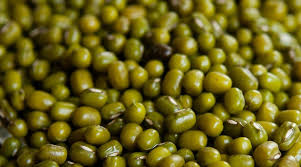
New agricultural research is reinforcing the critical importance of balanced soil nutrition for sustaining mung bean productivity across Asia and Africa, where the crop plays a central role in farming systems, dietary protein supply, and soil health improvement. Scientists emphasize that optimal nutrient management is essential not only for boosting yields but also for enhancing the crop’s resilience under increasingly variable climatic conditions.
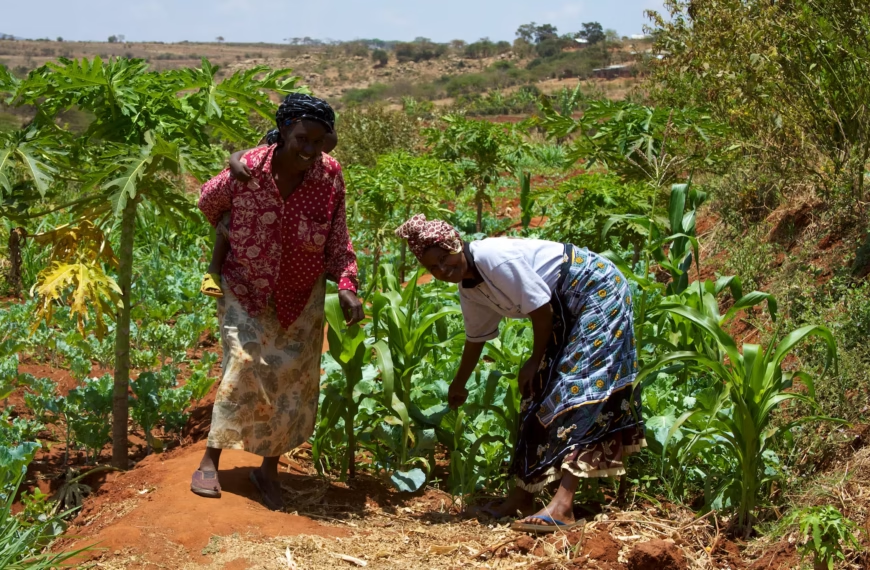
Mung bean—widely grown in India, Myanmar, Pakistan, Thailand, and several East and West African countries—has gained renewed attention due to its short growing cycle, ability to withstand heat stress, and high nutritional value. Yet despite its strategic role, the crop is often cultivated on marginal soils with limited fertilizer inputs, leading to significant yield gaps in many regions.
According to the latest findings, balanced application of macronutrients such as nitrogen, phosphorus, and potassium, along with key micronutrients like zinc, boron, and molybdenum, has a measurable impact on plant vigour, pod formation, grain filling, and final yield. Researchers note that while mung bean is a legume capable of fixing atmospheric nitrogen, it still requires complementary nutrient support—particularly during early growth stages—to achieve its productive potential.
Trials highlighted in the study show that deficiencies in phosphorus and potassium are among the most common constraints across smallholder fields. Addressing these gaps can improve root development, enhance nitrogen fixation efficiency, and strengthen resistance to stress factors, including drought and pest pressure. The research also suggests that micronutrient-enriched fertilizers and foliar sprays can further improve productivity in nutrient-depleted soils.
The findings underscore the need for region-specific nutrient recommendations, as soil fertility conditions vary widely across mung bean-growing zones. Agricultural extension specialists are calling for stronger farmer training programs, improved soil testing services, and greater access to balanced fertilizers tailored to legume crops.
Beyond yield gains, balanced nutrition contributes to broader sustainability outcomes. Mung bean residues enrich soil organic matter, reduce the need for synthetic fertilizers in subsequent crops, and support diversified cropping systems in rainfed areas. With global demand for plant-based proteins rising, researchers argue that strengthening mung bean production through science-backed nutrient management should be a priority for national food security agendas.
As countries seek climate-resilient and resource-efficient crops, the study highlights that achieving consistent mung bean productivity will depend heavily on addressing long-standing nutrient imbalances at the field level.


 By
By