

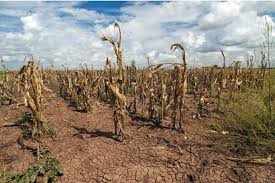
The Food and Agriculture Organization and the World Meteorological Organization have issued a fresh global assessment warning that rising temperatures and frequent extreme heat events are causing serious damage to agriculture and food production systems worldwide.
According to the report, extreme heat is no longer an occasional climate challenge but a growing long-term threat affecting crops, livestock, fisheries, and agricultural workers across multiple regions. The organizations stressed that global agrifood systems urgently need stronger climate adaptation measures to maintain food security and protect rural livelihoods.
The assessment notes that heat stress is reducing crop yields in many countries by affecting plant growth, pollination, and water availability. Staple crops such as wheat, rice, and maize are becoming increasingly vulnerable as prolonged high temperatures and erratic rainfall patterns disrupt farming cycles. In several regions, farmers are already witnessing declining productivity and rising irrigation demands.
Livestock production is also under pressure as extreme heat affects animal health, fertility, and feed intake. Dairy and poultry sectors are particularly vulnerable because higher temperatures can sharply reduce milk production, growth rates, and overall farm efficiency. Heatwaves are additionally increasing disease risks among animals in tropical and subtropical regions.
The report further warns that fisheries and aquaculture industries are facing growing disruption due to warming oceans, lower oxygen levels, and changing marine ecosystems. Fish migration patterns are shifting, while coastal communities dependent on fisheries are experiencing increasing economic uncertainty.
Agricultural labor productivity is another major concern highlighted in the report. Farm workers exposed to prolonged outdoor heat are facing higher risks of dehydration, heatstroke, and physical exhaustion. Experts believe this could reduce overall agricultural output, especially in developing countries where farming heavily depends on manual labor.
The organizations emphasized that climate adaptation can no longer be delayed. They are urging governments to invest in climate-resilient farming systems, heat-tolerant crop varieties, efficient water management, early warning systems, and improved weather forecasting infrastructure.
The report also calls for stronger international cooperation to support vulnerable farming communities and reduce long-term climate risks. Experts warn that without immediate action, extreme heat could further destabilize global food systems, increase hunger risks, and intensify food inflation in many parts of the world.
As climate change accelerates, global agriculture is entering a critical period where resilience, innovation, and sustainable farming practices will play a decisive role in securing future food production.


 By
By











