

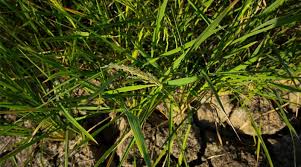
An international group of agricultural researchers and crop scientists has launched a new global initiative aimed at developing climate-resilient rice varieties capable of withstanding worsening environmental conditions. The collaborative network brings together experts from multiple countries to strengthen future food security as climate change increasingly threatens global rice production.
The initiative will primarily focus on improving rice root systems and enhancing tolerance to major climate stresses such as drought, flooding, extreme heat, and soil salinity. Scientists believe that stronger and deeper root structures can help rice plants absorb water and nutrients more efficiently, especially during periods of water scarcity and erratic weather.
Rice is a staple food for more than half of the world’s population, particularly across Asia and parts of Africa. However, changing climate conditions are placing increasing pressure on traditional rice-growing systems, threatening both yields and farmer incomes. Rising temperatures, irregular monsoon patterns, and frequent extreme weather events are already affecting production in several key rice-exporting countries.
Researchers involved in the initiative say that future rice varieties must be capable of surviving multiple climate challenges simultaneously. In addition to drought tolerance, scientists are working to improve resilience against sudden floods, heat stress, and declining soil quality. Advanced breeding techniques, genomic research, and biotechnology tools are expected to play a major role in accelerating the development of improved rice lines.
The network also plans to strengthen international collaboration in crop research by sharing genetic resources, field data, and climate adaptation strategies among participating institutions. Experts believe that collective scientific efforts will be essential to address the growing risks facing global food systems.
Agricultural economists warn that climate-related declines in rice production could have major consequences for global food prices and food security, particularly in low-income countries heavily dependent on rice imports. Developing climate-smart crop varieties is therefore being viewed as a critical long-term investment.
The initiative is also expected to support sustainable farming by promoting rice varieties that require less water and perform better under resource-limited conditions. Scientists say such innovations could help farmers reduce production risks while maintaining stable yields under changing environmental conditions.
With climate uncertainty increasing worldwide, the launch of this international research network marks a significant step toward protecting one of the world’s most important food crops and ensuring future agricultural resilience.


 By
By











