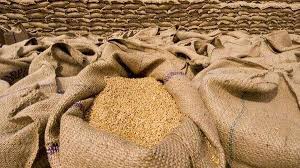
Global wheat prices are witnessing renewed volatility as severe drought conditions continue to impact major wheat-producing regions around the world. Agricultural analysts are warning that falling production in the United States, Australia, and Canada could tighten global grain supplies and push food inflation even higher in the coming months.
In the United States, prolonged dry weather and below-average rainfall across key wheat-growing states are raising concerns over crop health and final yields. Several farming regions have reported deteriorating soil moisture levels, forcing farmers to depend heavily on irrigation while facing rising production costs. Market experts believe the situation could significantly reduce export availability from one of the world’s largest wheat suppliers.
Meanwhile, drought conditions in Australia and Canada are also affecting planting and crop development. Australia, a crucial exporter to Asian markets, is experiencing reduced rainfall in several agricultural zones, while Canadian wheat farmers are battling hot temperatures and moisture stress that could impact grain quality and output.
The tightening supply outlook has already triggered strong reactions in international commodity markets. Wheat futures have climbed sharply as traders anticipate reduced harvest volumes and stronger competition among importing nations. Countries heavily dependent on wheat imports, particularly across Africa and parts of the Asia, may face increased food import bills if prices continue rising.
Food economists warn that higher wheat prices could eventually translate into increased costs for bread, flour, animal feed, and processed food products worldwide. Rising transportation and energy expenses are adding additional pressure to already strained global food supply chains.
Climate experts are also linking the worsening drought situation to broader climate variability and extreme weather events. Unpredictable rainfall patterns, rising temperatures, and water shortages are increasingly becoming major risks for global grain production.
Governments and agricultural agencies are now closely monitoring crop conditions and export trends to prevent market disruptions. Many experts are calling for stronger investments in drought-resistant crop varieties, advanced irrigation systems, and climate-smart agriculture to reduce future production risks.
As weather uncertainty continues and global inventories remain under pressure, international wheat markets are expected to stay highly sensitive in the months ahead, keeping food inflation concerns elevated worldwide.


 By
By