Ghana has earmarked US$3 billion for investment in commercial agriculture under its proposed New Economy Programme, marking a major push to strengthen domestic agricultural production, reduce food imports and create employment opportunities in rural communities.
The proposed investment will target several important agricultural sectors, including rice, sugar, poultry, maize, soybean, aquaculture, oil palm, vegetables and cocoa processing. Through this initiative, the government aims to improve agricultural productivity, encourage private-sector participation and strengthen the country’s capacity to meet domestic food requirements.
The programme is expected to support the development of commercial farming operations, agricultural value chains and food-processing industries, while creating new opportunities for farmers, agribusinesses and rural entrepreneurs.
Rice Production Receives Major Attention
Rice production is one of the key priorities under Ghana’s proposed agricultural investment programme.
The government aims to bring an additional 100,000 hectares of land under rice cultivation, with a production target of five to six tonnes per hectare.
Expanding cultivated areas and improving productivity could help Ghana increase domestic rice supplies and reduce its dependence on imported rice.
The country aims to eliminate commercial rice imports by 2030. Achieving this target will require improvements in seed availability, irrigation infrastructure, mechanisation, fertiliser access and post-harvest management.
Investment in modern rice milling, storage and processing facilities will also be important for improving the quality and competitiveness of locally produced rice.
Focus on Maize, Soybean and Poultry Production
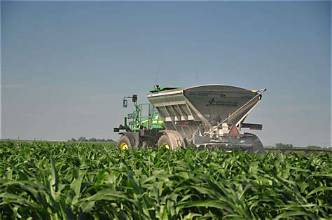
The investment programme also places emphasis on maize and soybean production, two important commodities for Ghana’s agricultural and livestock industries.
Maize is widely used for human consumption and animal feed, while soybean is an important source of protein for the poultry and livestock sectors.
Strengthening domestic maize and soybean production could help reduce the cost of imported feed ingredients and support the expansion of local poultry farming.
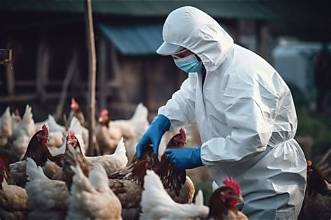
Poultry production is another major focus area. Increased investment in commercial poultry operations could improve domestic meat and egg supplies, strengthen processing capacity and create employment across the poultry value chain.
Expanding Aquaculture and Oil Palm Industries
Aquaculture and oil palm are also included among the priority sectors.
Developing aquaculture could help increase domestic fish production, improve access to affordable protein and create new income opportunities for communities involved in fish farming.
Investment in modern fish production systems, feed manufacturing, processing and cold-chain infrastructure could support the development of a more competitive aquaculture industry.
Similarly, strengthening the oil palm sector could help Ghana increase domestic production of palm oil and related products while creating opportunities for agricultural processing and value addition.
Boosting Vegetable Production and Cocoa Processing
The programme also aims to support vegetable production and expand cocoa processing activities.
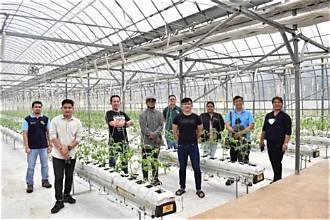
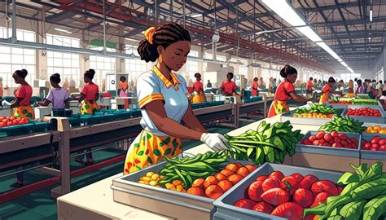
Investment in vegetable farming, irrigation, storage and transportation could improve year-round availability and reduce post-harvest losses.
Cocoa processing is another important priority for Ghana, one of the world’s major cocoa-producing countries. Increasing domestic processing capacity could allow the country to capture more value from its cocoa production instead of relying primarily on exports of raw or minimally processed beans.
Developing local processing facilities could also create industrial employment and strengthen Ghana’s position in international cocoa product markets.
Reducing Food Imports and Creating Rural Employment
A central objective of the proposed US$3 billion investment is to reduce Ghana’s dependence on imported food commodities.
Greater domestic production could help strengthen food security, improve agricultural supply chains and reduce exposure to fluctuations in international food prices.
The programme also has the potential to generate employment across farming, processing, transportation, storage, agricultural machinery and input distribution.
Commercial agricultural development could provide opportunities for smallholder farmers to participate in larger value chains through contract farming, partnerships and improved market access.
Implementation Will Be Critical
Achieving the programme’s objectives will require effective investment management, access to finance, modern agricultural technologies and reliable infrastructure.
Irrigation development, improved seeds, mechanisation, soil management and efficient market connections will be essential for increasing agricultural productivity.
The participation of private investors, financial institutions, agricultural companies and farmer organisations will also be important for translating the proposed investment into measurable production gains.
Outlook
Ghana’s proposed US$3 billion commercial agriculture investment represents a significant effort to expand domestic food production and strengthen agricultural value chains.
The targets of bringing an additional 100,000 hectares under rice cultivation, achieving yields of five to six tonnes per hectare and eliminating commercial rice imports by 2030 highlight the programme’s production ambitions.
The effectiveness of the initiative will ultimately depend on implementation, investment mobilisation and improvements in agricultural infrastructure.
If successfully implemented, the programme could contribute to greater food self-reliance, rural employment generation and the development of a more competitive agricultural sector in Ghana.


 By