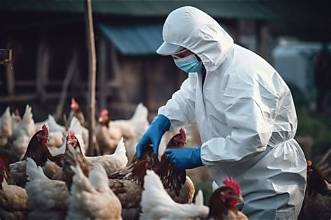
Agricultural authorities in Northern Ireland have imposed restrictions on activities at a commercial poultry farm in County Tyrone following reports of significant bird deaths and symptoms consistent with avian influenza, commonly known as bird flu. The development has raised concerns among poultry farmers and veterinary authorities, prompting precautionary measures to prevent the possible spread of the disease.
Veterinary officials have collected samples from the affected farm for laboratory testing to determine whether the deaths are linked to an avian influenza infection. As of November 16, the outbreak had not been officially confirmed, and authorities were awaiting the results of diagnostic investigations.
The restrictions are intended to limit potential disease transmission while investigations continue.
Veterinary Authorities Investigate Unusual Bird Deaths
The suspected outbreak came to attention after a commercial poultry farm in County Tyrone reported significant bird mortality and symptoms associated with avian influenza.
Following the reports, veterinary authorities initiated investigations and collected samples for laboratory examination. Testing is essential to establish whether the suspected infection is caused by avian influenza and, if confirmed, to determine the appropriate response.
Avian influenza is a contagious viral disease that primarily affects birds, including domestic poultry and wild bird populations. Highly pathogenic strains can cause severe illness and high mortality rates in infected poultry flocks.
The disease can spread through direct contact with infected birds and through contaminated equipment, clothing, vehicles, feed and other materials.
Farm Restrictions Aim to Prevent Disease Spread
The restrictions imposed at the affected commercial farm are part of precautionary disease-control measures.
Limiting movements and activities around a suspected infected premises can help reduce the risk of spreading the virus to other poultry farms.
Veterinary authorities generally use several control measures when investigating suspected avian influenza cases. These may include movement restrictions, enhanced surveillance, cleaning and disinfection procedures and monitoring of nearby poultry establishments.
The extent of additional restrictions will depend on laboratory findings and the assessment of veterinary officials.
Farmers Advised to Strengthen Biosecurity
Authorities have advised poultry farmers across the region to strengthen farm biosecurity and remain alert to unusual changes in bird health.
Farmers have been encouraged to:
- Monitor poultry flocks regularly for signs of illness and unusual mortality.
- Restrict unnecessary access to poultry housing and production areas.
- Clean and disinfect equipment, footwear and vehicles entering farms.
- Prevent unnecessary contact between domestic poultry and wild birds.
- Maintain proper records of bird mortality and health conditions.
- Immediately report unusual deaths or suspected disease symptoms to veterinary authorities.
Early detection and rapid reporting are particularly important for limiting the spread of infectious poultry diseases.
Potential Impact on the Poultry Industry
An officially confirmed avian influenza outbreak could have implications for poultry production, farm operations and regional agricultural markets.
Disease-control measures may require temporary restrictions on poultry movements and commercial activities. In more serious situations, confirmed outbreaks can result in flock losses, culling operations and additional costs associated with cleaning, disinfection and disease surveillance.
Poultry producers may also face economic pressure if disease concerns affect consumer confidence or disrupt the movement of birds and poultry products.
The scale of any potential impact in County Tyrone will depend on laboratory confirmation and the subsequent response by veterinary authorities.
Importance of Early Detection and Disease Surveillance
Avian influenza remains an important animal-health concern for poultry-producing countries. Regular surveillance, effective farm management and coordination between farmers and veterinary services are essential for reducing disease risks.
The suspected incident in Northern Ireland highlights the importance of maintaining strong biosecurity standards, particularly on commercial poultry farms where large numbers of birds are kept in close proximity.
Authorities are continuing to investigate the situation, and the results of laboratory testing will determine the next steps.
Outlook
The suspected bird flu incident in County Tyrone remains under investigation, with no official confirmation reported as of November 16, 2026.
Until laboratory results become available, precautionary restrictions and enhanced monitoring will remain important components of the response.
For poultry farmers, the situation serves as a reminder that early reporting, strict hygiene practices and effective biosecurity are essential for protecting flocks, maintaining production stability and preventing the spread of infectious diseases.


 By