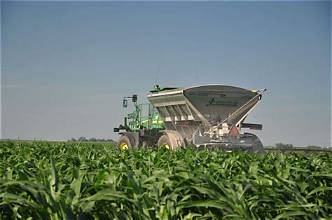
Brazil’s growing dependence on imported fertilisers, particularly potash, is emerging as an important concern for global agricultural supply chains and food security. As one of the world’s largest agricultural producers and exporters, Brazil relies significantly on imported crop nutrients to maintain agricultural productivity across its major farming regions.
The country’s soybean, maize, sugarcane and other agricultural sectors require substantial quantities of fertilisers to support crop growth and maintain competitive yields. However, a heavy reliance on international suppliers exposes Brazilian agriculture to fluctuations in global fertiliser prices, geopolitical tensions and potential disruptions in international trade.
Brazil’s Agricultural Sector Depends on Imported Nutrients
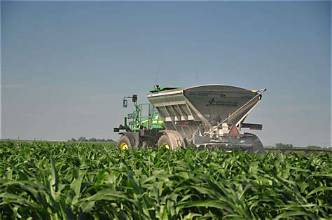
Brazil has established itself as a major global supplier of agricultural commodities, particularly soybeans and maize. Its agricultural growth has been supported by the expansion of cultivated areas, improved farming technologies, high-yielding varieties and the extensive use of fertilisers.
However, domestic fertiliser production remains insufficient to meet the country’s overall agricultural requirements. Consequently, Brazil imports a significant proportion of the nutrients used by its farming industry.
Potash, which supplies potassium to crops, is particularly important for Brazilian agriculture. Potassium plays a critical role in plant water regulation, nutrient transportation, disease tolerance and overall crop development. Soybean and maize production systems require adequate potassium availability to achieve satisfactory yields.
This dependence makes fertiliser availability a strategic issue for Brazilian farmers and agricultural policymakers.
Global Supply Disruptions Could Increase Production Costs
International fertiliser markets are influenced by several factors, including energy prices, transportation expenses, geopolitical developments and trade policies. Any disruption affecting major fertiliser-producing or exporting countries could create supply shortages and increase procurement costs for import-dependent nations.
For Brazil, higher international fertiliser prices could directly increase farmers’ production expenses. Farmers who purchase imported nutrients at elevated prices may face reduced profit margins, particularly when international soybean and maize prices are not increasing at the same rate.
Shipping disruptions, higher freight charges and currency fluctuations could further increase the cost of bringing fertilisers into Brazil.
Such developments may also influence fertiliser purchasing decisions. Some farmers could reduce application rates, delay purchases or adjust crop management practices if fertiliser prices become economically unviable.
Implications for Global Food and Commodity Markets
Brazil’s fertiliser security has implications beyond its domestic agricultural sector. The country is a major exporter of soybeans, maize, sugar and other agricultural commodities, supplying international markets across Asia, Europe and other regions.
Any significant reduction in agricultural productivity caused by fertiliser shortages or high input costs could influence global commodity availability and international food prices.
For example, lower soybean production could affect the availability of vegetable oil and animal feed ingredients. Similarly, changes in maize production could influence livestock feed costs and the economics of poultry, dairy and meat production.
Import-dependent countries therefore have an interest in maintaining stable fertiliser supplies to major agricultural exporters such as Brazil.
Diversification and Domestic Production Become Important
Strengthening fertiliser security is increasingly important for Brazil’s long-term agricultural strategy. Diversifying import sources, encouraging domestic fertiliser manufacturing, improving storage infrastructure and developing alternative nutrient management systems could help reduce exposure to international supply disruptions.
Greater adoption of precision agriculture, soil testing, balanced fertilisation and nutrient-use efficiency could also help farmers optimise fertiliser consumption without compromising crop productivity.
Brazil’s experience highlights a broader challenge facing modern agriculture: high crop production increasingly depends on reliable access to internationally traded agricultural inputs.
Outlook
Brazil’s dependence on imported fertilisers remains a strategic concern for its agricultural competitiveness and global food supply chains. Although international trade provides access to essential crop nutrients, excessive dependence on external suppliers creates vulnerabilities during periods of geopolitical instability, rising prices and transportation disruptions.
Maintaining affordable and reliable fertiliser supplies will be essential for supporting Brazilian farmers, protecting agricultural productivity and ensuring the continued availability of major food and feed commodities in international markets.
As global demand for agricultural products continues to grow, fertiliser security is likely to remain a critical component of discussions surrounding sustainable agriculture and global food security.


 By