Uzbekistan and Oman are planning an ambitious expansion of bilateral agricultural and food trade, with both countries aiming to increase trade volumes by two to three times from 2027. The proposed initiative is expected to strengthen agricultural cooperation, improve food security and create new investment opportunities for businesses in both countries.
The discussions took place in Muscat, Oman, on November 15, 2026. Representatives from both countries focused on expanding agricultural exports, improving food supply chains and identifying opportunities for investment across different segments of the agriculture and food industries.
The proposed partnership reflects growing interest in strengthening international agricultural trade and diversifying food supply sources amid changing global market conditions.
Agricultural Exports at the Centre of Discussions
One of the major priorities of the discussions was increasing agricultural exports between Uzbekistan and Oman.
Uzbekistan has a developing agricultural export sector, with opportunities in fruits, vegetables, processed food products and other agricultural commodities. Expanding access to the Omani market could create additional opportunities for Uzbek producers, exporters and food-processing companies.
For Oman, stronger agricultural trade relations could help diversify food imports and strengthen access to agricultural products from Central Asia.
Both countries are exploring ways to improve trade connections, identify market opportunities and establish more efficient arrangements for the movement of agricultural commodities.
Cooperation in Food Processing and Fisheries
Beyond conventional agricultural trade, Uzbekistan and Oman also discussed cooperation in food processing and fisheries.
Food processing is an important area of opportunity because it can increase the value of agricultural products, reduce post-harvest losses and improve the availability of processed food for domestic and international markets.
Joint investment in food-processing facilities, modern storage systems and packaging infrastructure could help businesses improve product quality and expand their export potential.
Fisheries cooperation was another important subject. Both countries explored opportunities to strengthen collaboration in the fisheries sector, including potential investment and the development of related production activities.
Such cooperation could contribute to greater diversification of food supplies and create new commercial opportunities.
Organic Fertiliser Production and Agricultural Investment
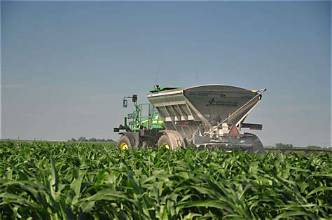
The discussions also included opportunities for cooperation in organic fertiliser production.
Organic fertilisers are increasingly attracting attention as agricultural producers seek to improve soil health, enhance nutrient management and support more sustainable farming practices.
Cooperation in this segment could encourage investment in organic fertiliser manufacturing, technology exchange and the development of agricultural input industries.
For Uzbekistan and Oman, such initiatives could provide opportunities to strengthen agricultural value chains while supporting more resource-efficient production systems.
Improving Logistics and Market Connectivity
Efficient logistics will be essential to achieving the proposed expansion in bilateral agricultural trade.
Agricultural commodities, particularly fresh fruits and vegetables, require reliable transportation, appropriate storage facilities and efficient customs procedures to maintain quality during international shipments.
Improved logistics networks and trade facilitation measures could help reduce transportation costs, minimise post-harvest losses and increase the competitiveness of higher-value agricultural products.
Better cooperation between exporters, importers and logistics companies could also help businesses establish more reliable supply arrangements.
Implications for Regional Agricultural Trade
The proposed partnership could strengthen economic and agricultural connections between Central Asia and the Gulf region.
For Uzbekistan, expanding trade with Oman could provide access to additional export markets and encourage investment in agricultural processing and value-added products.
For Oman, closer cooperation could support food-import diversification and improve access to agricultural products from Central Asian suppliers.
The initiative may also create opportunities for agricultural businesses, food manufacturers, exporters and investors in both countries.
Outlook
Uzbekistan and Oman’s plan to increase bilateral food trade by two to three times from 2027 represents an important opportunity for agricultural cooperation.
The success of the proposed expansion will depend on effective implementation, investment commitments, improved logistics and stronger commercial partnerships.
As both countries explore cooperation in agricultural exports, food processing, fisheries and organic fertiliser production, the partnership could contribute to stronger regional trade links and more diversified food supply chains.
The initiative also highlights the growing importance of international cooperation in agriculture, particularly in strengthening food security and developing higher-value agricultural trade.


 By