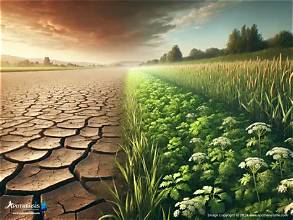
Global agricultural conditions remained generally positive for major food crops, including wheat, maize, rice and soybeans, at the end of October 2026, according to the November edition of the Global Crop Monitor report. The assessment highlights favourable crop development across several important agricultural regions, although regional weather challenges and the threat of a strong El Niño continue to create uncertainty for future production.
The report indicates that global crop prospects have remained relatively stable, supported by favourable growing conditions in several major producing countries. However, differences in rainfall patterns, temperature conditions and harvesting progress have affected individual crops and agricultural regions.
Wheat Conditions Remain Favourable Worldwide
Global wheat conditions were generally favourable at the end of October, with harvesting activities beginning in the Southern Hemisphere and winter wheat sowing progressing across the Northern Hemisphere.
In Southern Hemisphere producing countries, the beginning of the harvest season is an important stage for determining final production outcomes. Harvest progress, crop quality and weather conditions will influence the availability of wheat in international markets in the coming months.
Meanwhile, winter wheat sowing in Northern Hemisphere countries has continued, establishing the foundation for the next production season.
Adequate soil moisture, favourable temperatures and timely rainfall will remain important factors for successful crop establishment and development.
Maize Production Shows Mixed Regional Performance
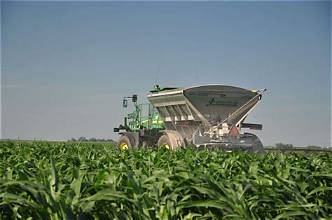
Maize conditions were also generally favourable across major producing regions. However, the report identified some areas where agricultural performance was weaker.
Poor yields were reported in parts of Europe, East Africa and the United States, highlighting the uneven impact of regional weather conditions on maize production.
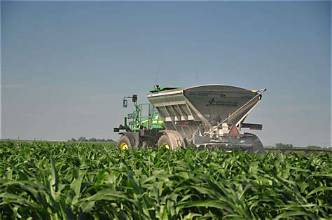
Maize is one of the world’s most important cereal crops and plays a central role in food production, livestock feed and industrial processing.
Changes in maize yields can influence animal feed availability, livestock production costs and international grain markets.
Although the overall global outlook remains positive, regional production losses could affect local supplies and agricultural incomes.
Rice Crops Face Weather-Related Challenges
Rice production experienced weather-related challenges in parts of Southeast Asia.
Rice cultivation is particularly sensitive to water availability, temperature fluctuations and the timing of rainfall. Unfavourable weather during important stages of crop development can affect flowering, grain formation and final yields.
Southeast Asia is an important rice-producing and exporting region, making crop performance there particularly significant for international food markets.
Weather disruptions could influence harvesting schedules, production volumes and export availability in affected areas.
Maintaining adequate irrigation facilities and improving water-management practices will remain important for protecting rice production against changing climatic conditions.
Soybean Production Outlook Remains Mixed
Global soybean prospects remained mixed across different agricultural regions.
Soybean production depends on several factors, including rainfall distribution, temperature conditions, soil moisture and crop development during critical growth stages.
As a major source of vegetable oil, protein meal and livestock feed, soybeans are an important commodity in international agricultural trade.
Changes in soybean production can influence prices in oilseed markets and affect the availability and cost of feed ingredients for the livestock and poultry industries.
Market participants will continue monitoring crop conditions in major producing countries as the growing and harvesting seasons progress.
Strong El Niño Could Increase Agricultural Risks
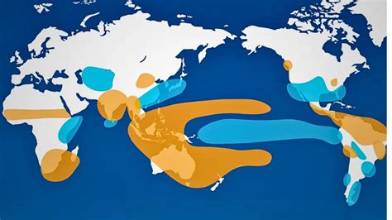
One of the major concerns highlighted in the November 2026 assessment is the possibility of a very strong El Niño continuing through April 2027.
El Niño is a climate phenomenon associated with changes in ocean temperatures in the central and eastern equatorial Pacific. It can influence rainfall distribution and temperature patterns across different parts of the world.
Its agricultural impacts vary by region. Some areas may experience prolonged dry conditions, while others could face excessive rainfall and flooding.
Potential consequences for agriculture include:
- Reduced soil moisture and increased drought risks.
- Higher temperatures and heat stress in vulnerable crops.
- Changes in planting and harvesting schedules.
- Increased pressure on irrigation and water resources.
- Potential reductions in crop yields in affected regions.
Farmers in climate-sensitive agricultural regions may face additional challenges if unusual weather conditions persist during important crop-growing periods.
Implications for Global Food Security
The generally positive crop outlook provides encouraging signals for global food availability. However, regional production difficulties and the possibility of a strong El Niño highlight the vulnerability of agricultural systems to climate variability.
Any significant production losses across major cereal and oilseed-producing regions could affect international commodity prices, food supply chains and agricultural trade.
Governments, agricultural organisations and farmers will need to monitor weather forecasts, strengthen crop surveillance and adopt appropriate climate-resilient farming practices.
Outlook
The November 2026 Global Crop Monitor assessment suggests that global wheat, maize, rice and soybean conditions remain generally positive despite regional challenges.
However, the potential continuation of a very strong El Niño through April 2027 remains an important risk factor for agricultural production.
Close monitoring of rainfall, temperature patterns, soil moisture and crop development will be essential over the coming months.
Improved weather forecasting, timely agricultural advisories, efficient irrigation and climate-resilient crop management will play an important role in protecting agricultural productivity and strengthening global food security.

 By