

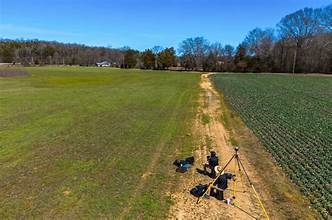
Severe drought and prolonged heatwaves are increasingly disrupting agricultural systems across the globe, with major impacts now being reported in regions such as the United States. Experts warn that these extreme weather conditions are not only causing immediate crop failures and livestock losses but are also signaling deeper, long-term risks to global food security.
Rising temperatures linked to Climate Change are intensifying the frequency and severity of droughts. In key farming regions, reduced rainfall combined with excessive heat has led to significant soil moisture deficits, making it difficult for crops to survive critical growth stages. Staple crops such as corn, wheat, and soybeans are particularly vulnerable, with yields declining sharply under sustained heat stress.
The impact extends beyond crops to livestock systems as well. High temperatures reduce feed intake in animals, lower productivity, and increase mortality rates in extreme cases. Water shortages further compound the issue, affecting both drinking supplies and fodder availability. As a result, farmers are facing rising costs and declining output, putting additional strain on already fragile rural economies.
One of the most immediate consequences of these disruptions is the rise in food prices. Lower agricultural output reduces supply in both domestic and global markets, leading to price volatility. Consumers are already feeling the effects through higher costs of essential commodities, while governments are under pressure to manage inflation and ensure food availability.
Agricultural economists highlight that repeated climate shocks are eroding the resilience of farming systems. Regions that were once considered stable production zones are now experiencing unpredictable weather patterns, making traditional farming calendars less reliable. This uncertainty complicates decision-making for farmers, affecting everything from crop selection to investment planning.
Water scarcity has emerged as a critical challenge in this scenario. With reservoirs and groundwater levels declining, irrigation systems are under stress, particularly in drought-prone areas. Farmers who rely heavily on rain-fed agriculture are the most vulnerable, as they have limited capacity to adapt to prolonged dry spells.
Experts emphasize that these trends point to the urgent need for climate adaptation strategies. The adoption of drought-resistant crop varieties, efficient irrigation methods such as drip systems, and improved soil management practices can help mitigate some of the risks. Diversification of crops and integration of livestock can also provide a buffer against climate-induced losses.
At the policy level, governments are being urged to invest in climate-resilient agriculture, strengthen crop insurance programs, and improve early warning systems. International cooperation will also be essential, as climate impacts on agriculture are increasingly crossing national boundaries and affecting global supply chains.
In conclusion, the growing impact of drought and heat on farming is a clear indication that agriculture is entering a new era of uncertainty. Without decisive action, these challenges could undermine global food systems in the long run. Strengthening resilience, adopting innovative practices, and supporting farmers through this transition will be critical to sustaining agricultural productivity and ensuring food security in the years ahead.


 By
By











