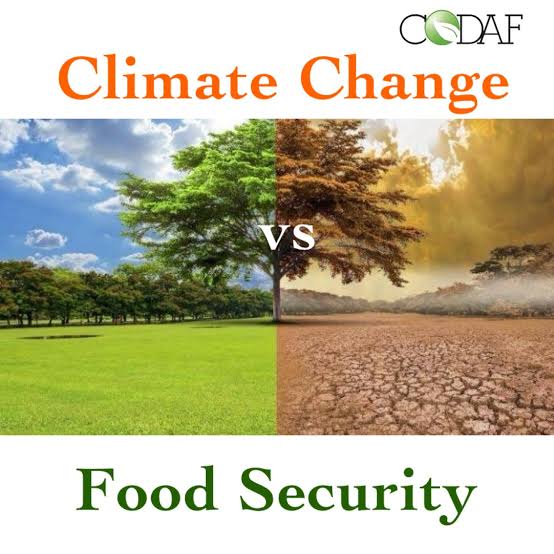
Farmers in Rajasthan are adjusting their crop choices for the upcoming Rabi season, opting to grow mustard and gram instead of wheat. This shift comes in response to favorable rainfall and sufficient soil moisture, which have created ideal conditions for these crops.
Agricultural experts say that this change reflects the adaptive strategies of farmers, who are responding to local climatic and soil conditions to maximize yield and profitability. Mustard and gram are considered high-value crops with good market demand, and their cultivation can help improve farmers’ income and resource utilization.
Preliminary estimates indicate that the acreage under mustard and gram is likely to expand significantly this Rabi season. Government agricultural departments and local extension services have been providing guidance on seed selection, crop management, and irrigation practices, helping farmers make informed decisions.
This trend also aligns with broader efforts to diversify cropping patterns in Rajasthan, reducing reliance on wheat and mitigating the risks associated with climate variability. By growing mustard and gram, farmers can benefit from shorter crop cycles, lower water requirements, and better resilience against potential weather fluctuations.
Experts note that such shifts in cropping patterns demonstrate the flexibility and responsiveness of India’s farming community. By choosing crops suited to current conditions, farmers not only enhance productivity but also contribute to sustainable agricultural practices and long-term soil health.
With mustard and gram cultivation expected to rise, market authorities and buyers are preparing to support storage, procurement, and price stabilization, ensuring that farmers can gain maximum benefits from the change in crop patterns.
This adaptive approach by Rajasthan’s farmers highlights the importance of climate-informed decision-making in agriculture and serves as a model for other regions facing variable weather and soil conditions.


 By