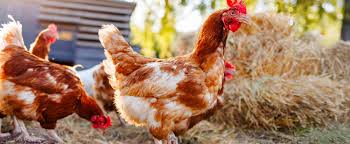
Investment in West Africa’s agriculture sector is gaining renewed momentum, with development finance institutions channeling fresh capital into expanding poultry production in Benin. The funding surge underscores growing regional and international interest in strengthening local food systems, enhancing protein supply chains, and reducing dependence on imported poultry products.
According to industry and development sources, the latest investment round aims to scale up domestic production capacity by supporting modern broiler farms, feed mills, and processing facilities. Demand for poultry meat has been rising steadily across West Africa due to rapid urbanization, population growth, and shifting dietary preferences toward affordable animal protein. However, local production has struggled to keep pace, leading to a significant market share for imports from Europe, Brazil, and other exporters.
The new financing initiatives in Benin are designed to address these structural gaps by improving productivity, upgrading infrastructure, and expanding cold-chain logistics. Development finance partners emphasize that targeted capital infusion will help modernize operations, introduce better genetics, and promote biosecurity standards that meet regional and international benchmarks.
Experts note that poultry has become a strategic commodity for the region’s food security agenda. Compared to beef or pork, poultry production requires lower feed conversion ratios and shorter production cycles, making it more adaptable for small and medium-scale producers. By boosting the sector, countries like Benin hope to improve farm incomes, strengthen value chains, and generate rural employment.
The investments also highlight an emerging trend of stronger collaboration between public development institutions and private agribusiness firms. Several initiatives include technical assistance programs focused on feed formulation, disease management, and improved waste handling—critical components for maintaining environmental and economic sustainability.
Despite the positive outlook, analysts caution that the sector still faces challenges. High feed costs, limited access to finance for smallholders, and periodic outbreaks of avian diseases remain persistent barriers. Additionally, regional trade policies and import dynamics continue to influence market competitiveness.
Even so, stakeholders are optimistic that the latest wave of investment will help accelerate the long-term growth trajectory of West Africa’s poultry sector. For Benin, the new commitments mark an important step toward reducing import dependence and building a resilient, domestically anchored protein supply system.


 By
By