The World Bank has released a new analysis outlining the most impactful climate-smart agriculture (CSA) technologies for 2026, emphasizing innovations that enhance resilience, reduce emissions, and improve productivity in farming systems worldwide. The report underscores the growing importance of digital tools, precision agriculture, and climate-resilient practices as countries confront escalating climate pressures.
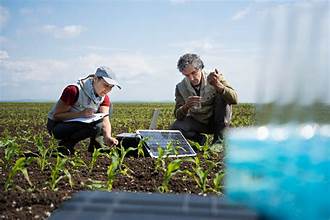
According to the analysis, digital agriculture platforms—including remote sensing, mobile advisory tools, AI-driven crop modeling, and real-time weather analytics—are emerging as central pillars of climate-smart farming. These technologies help farmers make data-informed decisions, optimize resource use, and reduce climate-related risks.
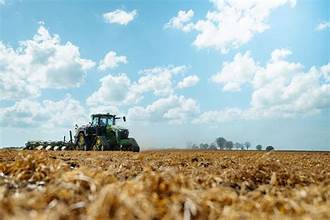
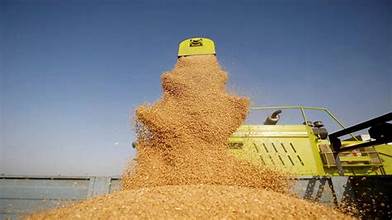
The World Bank also highlights precision agriculture systems, such as GPS-guided equipment, variable-rate fertiliser application, drones, and sensor-based irrigation. These tools not only improve input efficiency but also reduce greenhouse gas emissions by minimizing wastage and ensuring more targeted application.
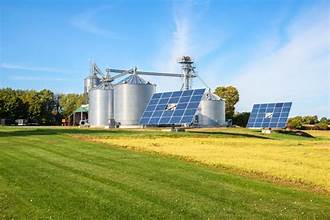
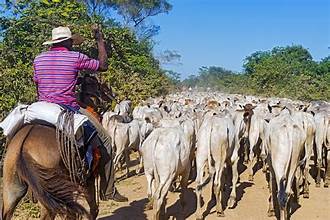
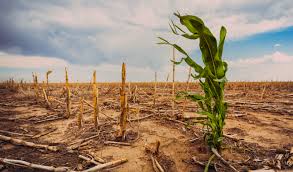
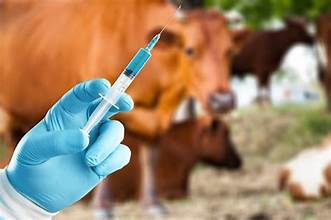
In addition, the report points to significant advancements in resilience-enhancing innovations, including drought-tolerant seed varieties, solar-powered irrigation pumps, low-emission livestock systems, and improved soil management strategies. These approaches aim to safeguard yields in the face of extreme weather events—such as heatwaves, irregular rainfall, and prolonged droughts.
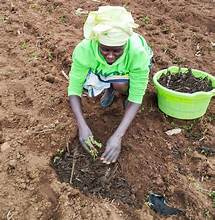
The analysis notes that scaling these technologies will require supportive policies, improved financing mechanisms, and stronger public–private partnerships. Access to affordable credit, digital literacy programs, and infrastructure development will be critical for enabling smallholder farmers to benefit from climate-smart solutions.
By spotlighting these top technologies, the World Bank aims to guide governments, investors, and agribusinesses toward evidence-based strategies that can deliver both environmental and economic gains. The report reiterates that accelerating climate-smart innovation is essential for building resilient food systems and securing sustainable agricultural futures in 2026 and beyond.


 By
By