

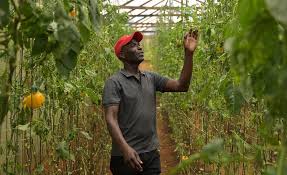
In a major step toward strengthening global food security and rural livelihoods, the Global Agriculture and Food Security Program (GAFSP) has announced a $163 million grant initiative aimed at supporting smallholder farmers in low-income countries. The new funding program is expected to help millions of farming households improve agricultural productivity, enhance climate resilience, and gain better access to markets and financial services.
The initiative comes at a time when food systems worldwide are facing mounting challenges from climate change, economic uncertainty, rising input costs, and geopolitical disruptions. Smallholder farmers, who produce a significant share of the world’s food supply, are among the most vulnerable to these pressures due to limited resources, inadequate infrastructure, and restricted access to modern agricultural technologies.
According to program officials, the $163 million investment will focus on strengthening food production systems while promoting sustainable agricultural development. The grants will support projects designed to improve farm productivity, expand access to quality seeds and inputs, enhance irrigation infrastructure, and strengthen agricultural value chains in some of the world’s most food-insecure regions.
Agricultural experts have welcomed the initiative, noting that smallholder farmers are critical to global food security. In many developing countries, small-scale farms account for the majority of agricultural production and provide livelihoods for millions of rural families. Supporting these farmers is widely viewed as one of the most effective ways to reduce poverty, improve nutrition, and promote economic growth.
A significant portion of the funding is expected to be directed toward climate-smart agriculture. Farmers in low-income countries are increasingly facing droughts, floods, heat waves, and other extreme weather events that threaten crop yields and livestock production. The program aims to help communities adapt to these challenges through improved farming practices, climate-resilient technologies, and sustainable land management strategies.
The initiative will also prioritize support for women and young people involved in agriculture. Development specialists emphasize that empowering women farmers and encouraging youth participation in the agricultural sector can generate substantial economic and social benefits while strengthening rural economies.
In addition to boosting production, the grants will help improve market access for smallholder farmers. Investments in rural infrastructure, storage facilities, transportation networks, and digital agricultural services are expected to reduce post-harvest losses and increase farmers’ incomes by connecting them more effectively to local and international markets.
Food security advocates note that global hunger remains a pressing concern despite advances in agricultural technology. Millions of people continue to face food shortages, malnutrition, and economic vulnerability, particularly in regions affected by conflict, climate shocks, and economic instability. Strengthening smallholder agriculture is considered a key strategy for addressing these challenges.
The Global Agriculture and Food Security Program has a long history of supporting agricultural development projects across Africa, Asia, Latin America, and other developing regions. The newly announced funding package reflects growing international recognition of the need to invest in resilient and inclusive food systems.
As governments and development organizations intensify efforts to combat hunger and poverty, the $163 million initiative represents a significant commitment to empowering smallholder farmers. By improving productivity, resilience, and market opportunities, the program aims to help build stronger food systems capable of supporting sustainable development and long-term food security for communities around the world.


 By
By











