India’s agrochemical manufacturing and export industry has raised alarm over the United States’ recent decision to impose a 50% tariff on agrochemical imports, a move that could severely impact Indian exporters and disrupt global supply chains linked to agriculture, veterinary health, food security, and public health.
The Pesticides Manufacturers and Formulators Association of India (PMFAI), representing the country’s leading pesticide producers, expressed deep concern, calling for immediate intervention by the Indian government.
Pharmaceuticals vs. Agrochemicals
The tariff hike stems from an order issued on 2 April 2025 under the U.S. administration’s “reciprocal tariff” framework aimed at reducing trade deficits. While pharmaceuticals were exempted, several dual-use agrochemicals —widely used in both human medicine and veterinary applications were excluded solely because they fall under the “agrochemical” HS code.
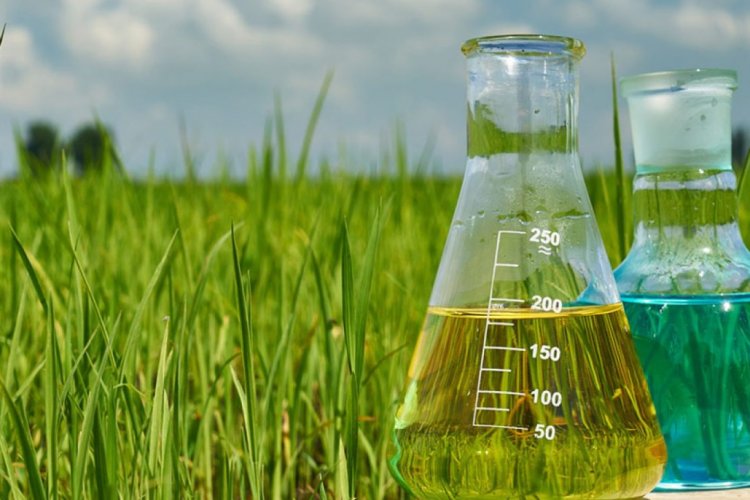
PMFAI argued that products such as Permethrin (listed in the U.S. Pharmacopeia for treating lice and scabies in humans) and Fipronil (a key veterinary parasiticide) must be reclassified under HS Chapter 30 as pharmaceutical-grade products to ensure uninterrupted access for public health and animal welfare.
Threat to Public Health
The association warned that tariffs on WHO-recommended insecticides such as Permethrin, Deltamethrin, Alpha-Cypermethrin, and Lambda-Cyhalothrin could jeopardize malaria and dengue control efforts worldwide. India is the largest supplier of these products, and supply restrictions may undermine global disease-prevention programs.
Agricultural Risks
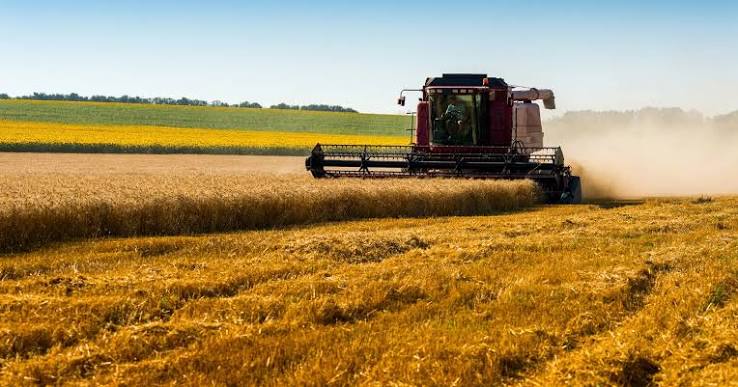
PMFAI also highlighted that vital crop-protection molecules like Mancozeb, Cypermethrin, 2,4-D, Chlorpyrifos, Diuron, Triclopyr, Lambda-Cyhalothrin, and Neem oil are exported in large volumes to the U.S. Since domestic production of these chemicals in America is limited, the new tariffs could also threaten U.S. food security by disrupting its agricultural supply chain.
Industry’s Demands
Indian exporters have urged the government to act quickly, recommending four key steps:
- Bilateral negotiations with the U.S. to secure exemptions for pharmaceutical-grade and WHO-approved agrochemicals.
- Export incentives and reforms in RoDTEP (Remission of Duties and Taxes on Export Products) to maintain competitiveness.
- Reclassification of medicinal agrochemicals under pharmaceutical/veterinary HS codes.
- Counter-relief measures to protect India’s domestic industry from the impact of U.S. tariffs.
Global Implications
PMFAI stressed that the issue goes beyond trade, touching upon medicine, animal health, and food security. If access to these essential products is restricted, it could hinder efforts in malaria prevention, livestock disease management, and global food safety.
Dr. Sandeep Singh, policy advisor at PMFAI, stated:
“India’s agrochemical industry plays a crucial role in global health and food security. We appeal to the government to act swiftly and safeguard the interests of Indian exporters, while ensuring uninterrupted access to these essential products worldwide.”

 By
By