

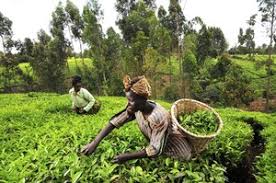
A new peer-reviewed study highlights the critical role of agriculture productivity and climate adaptation in reducing migration pressures across Africa. The research indicates that strategic investments in climate-resilient farming practices can help mitigate both climate- and conflict-driven migration, particularly in drought-prone regions.
The study examined the link between enhanced agricultural productivity, climate adaptation measures, and migration patterns in vulnerable African communities. Findings suggest that improving access to water management, drought-resistant crops, and sustainable farming technologies strengthens local food security and economic stability, reducing the need for populations to migrate in search of livelihoods.
Researchers emphasized that supporting smallholder farmers through targeted investments and climate-smart policies not only boosts agricultural output but also stabilizes communities, lowering the social and economic pressures that often lead to migration.
“The research underscores that sustainable agriculture is not just about food production; it is also a crucial tool for building resilience and reducing forced migration in climate-affected regions,” the study notes.
The study advocates for coordinated action by governments, development agencies, and the private sector to implement climate-adaptive agricultural strategies. By focusing on local capacity building and sustainable land management, the research suggests, African nations can safeguard both livelihoods and regional stability.


 By
By











