

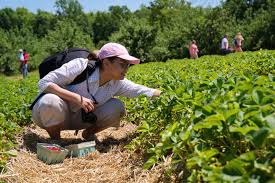
Women farmers are increasingly being recognized as a vital force in tackling climate change and strengthening global food security. Recent studies show that empowering women in agriculture significantly improves climate resilience and helps communities adopt more sustainable farming practices.
According to the Food and Agriculture Organization (FAO), women make up a large share of the agricultural workforce in many developing countries, especially in Africa and Asia. However, they often face limited access to essential resources such as land ownership, credit facilities, agricultural training, and decision-making roles.
Experts say that providing women farmers with equal access to land, financial services, modern technology, and leadership opportunities can dramatically increase farm productivity and strengthen rural economies. When women farmers have the right resources, they are more likely to invest in sustainable practices that protect soil, water, and biodiversity.
Research also highlights that women play an important role in climate-smart agriculture, including crop diversification, water conservation, and improved seed management. These practices help farming communities adapt to changing weather patterns and reduce the risks associated with climate change.
In addition, empowering women in agriculture contributes to better household nutrition and food security. Studies show that when women farmers earn more income and have greater decision-making power, they tend to invest more in family health, education, and nutrition.
International organizations and development agencies are therefore encouraging governments to adopt policies that promote gender equality in agriculture, support women-led farmer groups, and improve access to markets and training.
Experts believe that strengthening the role of women farmers will not only boost agricultural productivity but also play a crucial role in building climate-resilient and sustainable food systems worldwide.


 By
By











