

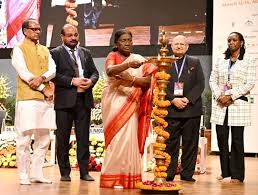
The Global Conference on Women in Agri-Food Systems (GCWAS-2026) concluded in New Delhi with a strong call from policymakers, scientists, and development experts to enhance women’s participation and leadership across global agri-food systems. The conference brought together representatives from governments, research institutions, international organizations, and civil society groups to discuss strategies for building more inclusive and resilient agricultural systems.
During the concluding session, speakers emphasized that women play a critical role in agriculture and food production, particularly in developing countries where they contribute significantly to farming, food processing, and rural livelihoods. However, despite their substantial contributions, women often face limited access to resources such as land, credit, technology, training, and markets.
Experts highlighted that empowering women in agriculture is essential for achieving sustainable food systems and improving global food security. Participants stressed the need for gender-responsive policies that recognize women farmers as key stakeholders in agricultural development. Such policies, they noted, should focus on improving access to modern technologies, extension services, financial support, and education for women engaged in agriculture and allied sectors.
Several panel discussions during the conference explored innovative approaches to strengthening women’s role in agri-food systems. These included promoting women-led agribusiness enterprises, expanding digital agriculture tools for women farmers, and increasing their representation in agricultural research, policymaking, and leadership positions.
Speakers also underlined the importance of investing in skill development and entrepreneurship programs that can help rural women adopt modern agricultural practices and participate more actively in value chains. By providing training in areas such as climate-smart agriculture, food processing, and agri-business management, experts believe women can significantly enhance productivity and rural economic growth.
Another key theme of the conference was the importance of collaboration between governments, international agencies, and private-sector organizations to promote gender equality in agriculture. Participants noted that partnerships and knowledge-sharing platforms can help scale successful initiatives and replicate best practices across different regions.
The conference also highlighted the role of innovation and technology in empowering women farmers. Digital platforms, mobile-based advisory services, and access to climate information were identified as important tools that can support women in making better farming decisions and improving farm productivity.
In the final declaration, delegates reaffirmed their commitment to creating inclusive agri-food systems where women have equal opportunities to contribute, lead, and benefit from agricultural development. They stressed that strengthening women’s role in agriculture is not only a matter of social equity but also a crucial step toward achieving sustainable development goals and ensuring global food security.
The successful conclusion of GCWAS-2026 marked an important step toward advancing gender equality in agriculture and promoting collaborative action to build more inclusive and resilient agri-food systems worldwide.


 By
By











