

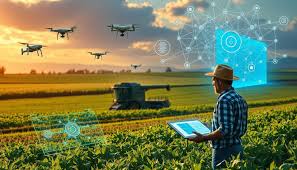
A new technological collaboration is set to bring advanced computing capabilities into agricultural research, as the global agribusiness company Syngenta has partnered with QuantumBasel to explore the use of quantum computing in crop science and sustainable farming. The initiative aims to accelerate agricultural innovation and help farmers better adapt to the growing challenges posed by climate change.
Under the partnership, researchers will examine how quantum computing can be applied to complex agricultural problems such as crop genetics, seed development, and climate resilience. Quantum computing has the ability to process vast amounts of data and perform highly complex calculations much faster than traditional computers, making it a promising tool for agricultural research.
Experts involved in the project say that one of the main objectives is to improve the development of next-generation seeds. By analyzing large datasets related to plant genetics, soil conditions, and environmental factors, quantum computing could help scientists identify desirable crop traits more efficiently. This could lead to the development of crop varieties that are more resilient to drought, heat, pests, and other environmental stresses.
Another important focus of the collaboration is climate adaptation. Agriculture is increasingly affected by extreme weather events, shifting rainfall patterns, and rising temperatures. By using advanced computational models, researchers hope to simulate different climate scenarios and develop farming strategies that help farmers maintain productivity under changing environmental conditions.
The partnership will also explore ways to optimize agricultural practices through better data analysis. Quantum computing could assist in improving crop management strategies, enhancing resource efficiency, and supporting more sustainable farming systems. For example, advanced models may help determine the most effective combinations of soil management, irrigation, and crop varieties for specific regions.
Industry analysts say that integrating cutting-edge technologies such as quantum computing into agriculture could transform the way agricultural research is conducted. Faster data processing and more accurate modeling could significantly shorten the time required to develop new crop varieties and agricultural solutions.
As global food demand continues to rise and climate challenges intensify, innovations that strengthen agricultural productivity and resilience are becoming increasingly important. The collaboration between Syngenta and QuantumBasel represents a step toward harnessing emerging technologies to support sustainable food production and provide farmers with better tools for the future.


 By
By











