

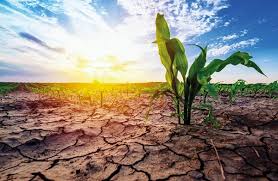
Agricultural experts have warned that farmers around the world may face significant challenges during the 2026 crop season due to a combination of extreme climate conditions and volatility in fertilizer supplies. These factors, analysts say, could influence crop productivity, input costs, and global food supply chains in the coming months.
Climate scientists have highlighted that increasing weather extremes—such as prolonged heatwaves, irregular rainfall, and shifting monsoon patterns—are becoming more frequent in many agricultural regions. These conditions can disrupt planting schedules, affect crop growth, and increase the risk of drought or flooding in key food-producing areas. In regions that rely heavily on seasonal rainfall, uncertain monsoon patterns could particularly impact the cultivation of crops such as rice, maize, and pulses.
In addition to climate-related risks, the agricultural sector is also facing uncertainty in fertilizer markets. Fertilizer production is closely linked to energy costs and global supply chains, making it sensitive to geopolitical developments and fluctuations in raw material prices. Industry analysts warn that disruptions in fertilizer availability or sharp price increases could raise production costs for farmers.
International organizations such as the Food and Agriculture Organization and the International Fertilizer Association have emphasized the importance of ensuring stable fertilizer supplies to maintain agricultural productivity. Fertilizers remain essential for achieving high crop yields, especially in regions where soil fertility is limited.
If fertilizer prices remain high or supplies become constrained, some farmers may reduce fertilizer use in order to manage expenses. This could potentially affect crop yields and overall agricultural output. Lower productivity, combined with climate-related crop stress, may place additional pressure on global food systems.
Experts say that governments and agricultural institutions are closely monitoring the evolving situation. Many countries are encouraging farmers to adopt climate-resilient practices, improve soil management, and use fertilizers more efficiently to maintain crop productivity under uncertain conditions.
The 2026 crop season will therefore require careful planning and coordinated support for farmers. Strengthening weather forecasting systems, improving access to agricultural inputs, and promoting sustainable farming practices could help reduce the risks associated with climate variability and fertilizer supply challenges.
As global food demand continues to grow, ensuring stable agricultural production despite environmental and market uncertainties will remain a key priority for policymakers, researchers, and farming communities worldwide.


 By
By











