

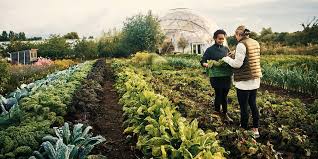
Agricultural researchers are sounding the alarm over declining crop diversity in global farming systems, warning that sustainability and ecological resilience may be at risk. Despite some regional gains in crop variety, industrial agriculture worldwide is increasingly dominated by a handful of staple crops, including soybeans, wheat, rice, and corn.
The concentration on a limited number of crops has raised concerns about vulnerability to pests, diseases, and climate extremes, which could have far-reaching impacts on food security. Experts point out that diverse cropping systems not only support soil health and biodiversity but also enhance resilience to unpredictable weather patterns and emerging plant diseases.
“Relying heavily on a few staple crops increases the risk of systemic shocks to the food supply,” said an agricultural sustainability researcher. “Maintaining and promoting crop diversity is essential for ecological balance and long-term agricultural sustainability.”
While technological advancements and high-yield crop varieties have boosted productivity, they have inadvertently contributed to the decline of traditional and locally adapted crops. This shift challenges efforts to achieve sustainable intensification, a goal central to feeding a growing global population while preserving natural resources.
Policymakers and scientists are calling for strategies to encourage crop diversification, regenerative farming practices, and support for underutilized crops. Such measures could help maintain soil fertility, reduce dependency on chemical inputs, and mitigate environmental risks associated with monoculture systems.
With global agriculture facing mounting pressures from climate change, population growth, and market consolidation, experts emphasize that crop diversity is not just a cultural or ecological asset—it is a critical component of resilient, sustainable farming systems capable of supporting future food security.


 By
By











