

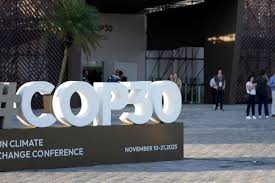
New investigative findings reveal that more than 300 lobbyists representing industrial agriculture interests were present at the COP30 climate negotiations, prompting renewed scrutiny over the extent of corporate influence shaping global climate and food-system policy. The unusually high level of industry representation has raised concerns among environmental groups and policy researchers, who argue that the presence of powerful agribusiness actors could steer negotiations away from stronger emissions-reduction commitments.
According to the report, the lobbyists represented a broad array of sectors, including livestock conglomerates, fertilizer manufacturers, commodity traders, and agricultural input suppliers—industries collectively responsible for a significant share of global greenhouse gas emissions. Critics contend that this influence risks diluting policy measures aimed at curbing methane leaks, reducing deforestation linked to commodity production, and transitioning toward more sustainable land-use practices.
Observers note that the imbalance in representation was particularly visible in sessions addressing agriculture, land-use change, and food-system resilience, where industry delegates were frequently involved in consultations and side events. Civil society organizations voiced concerns that this disproportionate access could undermine scientific recommendations and slow momentum toward climate-aligned reforms such as regenerative agriculture, reduced synthetic fertilizer reliance, and stronger accountability mechanisms for corporate supply chains.
Supporters of industry participation argue that agribusiness must be part of the climate solution and that practical pathways to emissions reduction depend on collaboration between policymakers and the private sector. They emphasize that sectors such as fertilizer production, livestock systems, and global commodity logistics require coordinated approaches to scale climate mitigation technologies.
However, transparency advocates counter that participation should not equate to policy capture, and they are calling for clearer rules governing lobbying activity within UN climate processes. Some experts have suggested that COP should adopt disclosure frameworks similar to those used in international financial governance, ensuring that negotiations are safeguarded against disproportionate corporate sway.
As COP30 discussions continue, the findings have intensified debate over how global climate governance can balance industry engagement with public interest priorities. Analysts warn that without stronger guardrails, excessive corporate influence could hinder efforts to align agriculture and food systems with the emissions trajectories required to meet international climate goals.


 By
By











