

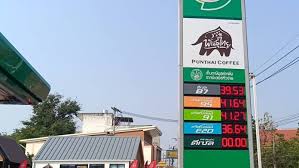
Thailand’s farming community is facing mounting challenges as rising petrol and diesel prices begin to erode the already thin margins of small and medium agricultural producers. The recent rollback of fuel subsidies has sharply increased operational costs, hitting rice, fisheries, and livestock farmers hardest.
For rice growers across Thailand’s central plains and northeast paddies, higher diesel prices have translated into immediate cutbacks in irrigation cycles, machinery use, and field maintenance. Many farmers report delaying harvest operations or reducing tillage, raising concerns about both yield quantity and grain quality.
The fisheries sector, another key contributor to Thailand’s export economy, is experiencing similar strain. With boats heavily dependent on diesel, fishers are reducing the frequency and duration of fishing trips, which may lead to lower catches and impact supply chains regionwide. Experts warn that prolonged disruptions could affect export commitments, particularly for shrimp and processed seafood.
Agricultural economists caution that sustained fuel inflation may push farmers deeper into debt, forcing some to scale down production or exit farming entirely. This raises broader concerns for Southeast Asia’s food security, given Thailand’s role as a leading rice exporter and a major supplier of fish and aquaculture products.
In response, industry groups have urged the government to consider temporary relief measures — including targeted fuel support, low-interest credit lines, and subsidies for energy-efficient equipment — to prevent long-term damage to the sector.
As Thailand navigates the economic ripple effects of rising fuel costs, stakeholders agree that timely policy intervention will be crucial to protecting livelihoods and maintaining stability in regional food markets.


 By
By











