

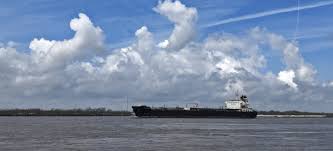
The Food and Agriculture Organization of the United Nations (FAO) has issued a strong warning over escalating global food security risks as ongoing disruptions in the Strait of Hormuz trigger widespread turbulence across critical supply chains. According to the FAO’s Chief Economist, even short-term interruptions in this strategic maritime passage are generating cascading impacts on global energy markets, fertilizer movement, and agricultural trade flows.
The Strait of Hormuz is one of the world’s most vital trade arteries, enabling the transit of nearly one-fifth of globally traded oil and essential raw materials used in fertilizer production. With recent instability affecting shipping operations, freight delays and rising insurance premiums have already begun pushing up costs in the energy and fertilizer sectors. These shocks, FAO notes, are rapidly filtering into global agrifood systems.
Higher energy prices are elevating transportation and processing costs for agricultural commodities, while increased fertilizer prices are placing additional financial stress on farmers worldwide. For many developing regions, where fertilizer affordability is closely linked to production performance, these disruptions could translate into reduced application rates, diminished yields, and heightened vulnerability to food shortages.
The FAO highlighted that the global agrifood supply chain is deeply interlinked, and bottlenecks in one sector often amplify pressures across others. As a result, ongoing turbulence in the Strait of Hormuz has the potential to destabilize agricultural input markets just as several countries are preparing for key cropping seasons. Any prolonged interruption, the agency warned, could compromise global food production levels in 2026 and exacerbate existing pressures caused by climate variability, conflict, and economic volatility.
The organization urged governments to closely monitor input markets, diversify supply routes where possible, and strengthen early-warning mechanisms to mitigate the risks to farmers and food systems. The FAO also emphasized the need for international cooperation to ensure stable maritime trade flows, given the pivotal role of the Strait of Hormuz in global energy and agriculture logistics.
As uncertainty persists, the FAO reiterated that safeguarding fertilizer availability and controlling input costs will be essential to preventing a deeper global food security crisis in the months ahead.


 By
By











