

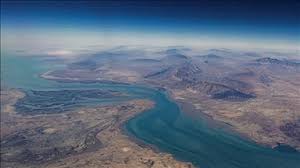
Global agriculture is confronting heightened instability as the continued closure of the Strait of Hormuz—compounded by the broader Red Sea and Middle East conflict—disrupts the movement of essential fertilizers and raw materials. With multiple shipping lines halting or rerouting vessels, large volumes of urea, ammonia, and other key nutrients remain stranded, creating cascading risks for farmers across continents.
The Strait of Hormuz serves as a critical transit corridor for the world’s fertilizer market, carrying a significant share of globally traded nitrogen-based inputs. The ongoing conflict has effectively choked this movement, triggering sharp increases in freight costs and delivery delays. Industry analysts report that several major producers in the Gulf region have been unable to fulfill scheduled shipments, leaving import-dependent countries scrambling to secure alternative supplies.
The disruption has already pushed international fertilizer prices sharply upward. Urea spot prices have spiked in several regions, while ammonia shipments have thinned due to limited vessel availability and heightened geopolitical risk. For farmers, particularly in Asia and Africa, the surge in input costs is creating immediate strain. Many cooperatives and producer groups warn that the lack of affordable fertilizers could force reductions in application rates during upcoming planting windows.
Agricultural economists caution that the current shortages could have far-reaching effects on global crop yields in 2026. Nitrogen fertilizers like urea and ammonia are essential for maintaining soil nutrient balance and supporting high-yield production in staples such as wheat, rice, maize, and oilseeds. Any sustained deficit in supply, they note, may directly translate into lower output and increased food price volatility.
Governments are now exploring contingency measures, from negotiating emergency import deals to reallocating strategic reserves. Some countries are accelerating domestic production or seeking long-haul shipments from producers outside the Middle East, though these alternatives come with higher costs and longer delivery times.
Trade experts emphasize that the uncertainty will persist until maritime security improves in the region. With the Strait of Hormuz remaining closed and the Red Sea corridor unstable, the global fertilizer market is navigating one of its most significant supply crunches in years.
As nations brace for the next planting season, the agriculture sector faces a critical test: securing sufficient nutrients to safeguard global food production amid one of the most complex geopolitical disruptions of the decade.


 By
By











