

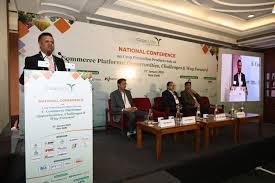
Top executives, manufacturers, and policy strategists from across the global crop protection industry are preparing to gather in Singapore for the China–India Pesticides Manufacturing & Tolling Workshop 2026 — a high-level forum designed to shape the future of pesticide production, supply chain resilience, and cross-border collaboration. Scheduled for later this year, the event is expected to attract key decision-makers from Asia, Europe, and North America.
The workshop comes at a pivotal moment for the agrochemical sector. Geopolitical tensions, tightening regulatory frameworks, and supply chain disruptions have prompted companies to rethink their manufacturing strategies and strengthen operational partnerships. The China–India production ecosystem — which accounts for a significant share of the world’s technical-grade pesticide output — remains central to discussions on how the industry will evolve.
Industry organisers explain that the Singapore forum will serve as a strategic platform for evaluating emerging production models, particularly toll manufacturing agreements, which have become essential for ensuring cost efficiency and reliable supply. Representatives from leading pesticide producers, formulation specialists, supply chain analysts, and government agencies are expected to participate in in-depth sessions focused on capacity expansion, technology upgrades, quality compliance, and the evolving regulatory environment in both China and India.
One of the key themes will be the diversification of production locations to mitigate risks arising from logistical disruptions, raw material shortages, and environmental compliance challenges. Experts say that as global agriculture becomes increasingly dependent on stable pesticide availability, coordination between China and India — the world’s dominant manufacturing hubs — will be critical for maintaining supply security for farmers worldwide.
Sustainability and green chemistry will also take centre stage. Organisers highlight that the workshop will include discussions on low-emission production technologies, safer formulation innovations, and the global shift toward biological alternatives. Participants will examine opportunities for co-developing hybrid portfolios that combine conventional chemistry with new-generation biopesticides, reflecting the sector’s transition toward more environmentally responsible solutions.
The workshop is expected to facilitate high-level networking and business matchmaking, enabling companies to establish new tolling partnerships, evaluate investment opportunities, and gain intelligence on upcoming regulatory changes. With Singapore serving as a neutral and well-connected location, the event aims to foster balanced dialogue between Chinese and Indian stakeholders — a dynamic that remains crucial for global agrochemical stability.
Analysts predict that the outcomes of the workshop will influence pesticide supply planning for the next three to five years, especially as climate-related threats increase demand for crop protection solutions. By aligning strategies across Asia’s manufacturing powerhouses, the forum is positioned to play a significant role in shaping global agrochemical production and strengthening supply chain resilience.


 By
By











