

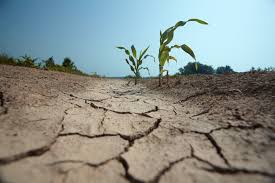
A historic winter drought combined with extreme heat across the United States is triggering serious concerns about global food security, as major crops suffer damage and livestock numbers decline. With nearly 60% of U.S. farmland currently experiencing drought conditions, the situation is rapidly escalating into a crisis that could have far-reaching consequences for food availability and prices worldwide.
Farmers across key agricultural regions are reporting significant stress on staple crops such as wheat, corn, and rice. Prolonged dry spells and unusually high temperatures have disrupted planting cycles and hindered crop development, leading to lower-than-expected yields. Wheat crops, in particular, have been severely affected, with poor soil moisture levels reducing both quality and output. Rice-growing regions are also struggling, as water scarcity limits irrigation and threatens harvests.
The livestock sector is facing similar challenges. Ranchers are being forced to reduce cattle herds due to shrinking grazing lands and rising feed costs. With pasture conditions deteriorating, maintaining large herds has become economically unviable. This reduction in livestock numbers is expected to impact meat and dairy production, further tightening supply in already strained markets.
The drought’s impact extends beyond domestic borders. As one of the world’s largest exporters of agricultural commodities, disruptions in U.S. production are likely to ripple through global supply chains. Countries that rely heavily on U.S. exports may face shortages, leading to increased competition for available supplies and driving up international food prices.
Economists and agricultural experts warn that the combination of reduced crop output and declining livestock production could lead to sustained inflation in food prices. Consumers are already beginning to feel the pressure, with rising costs for basic food items becoming more evident in markets worldwide. Vulnerable populations, particularly in developing nations, are expected to bear the brunt of these increases, heightening the risk of food insecurity and malnutrition.
Climate experts point to broader environmental changes as a key factor behind the intensifying drought conditions. Shifting weather patterns, reduced winter precipitation, and increasing temperatures are contributing to more frequent and severe droughts. This trend raises concerns about the long-term sustainability of current agricultural practices and highlights the urgent need for climate-resilient farming strategies.
In response, policymakers and agricultural agencies are exploring measures to mitigate the impact. These include promoting water-efficient irrigation systems, encouraging drought-resistant crop varieties, and providing financial support to affected farmers. However, experts caution that such measures may offer only temporary relief unless accompanied by broader efforts to address climate change.
As the drought continues to unfold, the global community is closely monitoring its developments. The situation underscores the interconnected nature of modern food systems, where disruptions in one region can quickly escalate into a global challenge. Ensuring food security in the face of such crises will require coordinated action, innovation, and a renewed focus on sustainable agriculture.
The coming months will be critical in determining the full extent of the damage. For now, the warning signs are clear: without timely intervention, the ongoing drought could significantly reshape global food markets and deepen existing vulnerabilities in the world’s food supply chain.


 By
By











