A deepening global fertilizer crisis triggered by the ongoing Iran conflict is raising serious concerns about food security, particularly in countries like India and Sri Lanka. Disruptions in supply chains, rising input costs, and uncertainty ahead of key planting seasons are putting millions of farmers at risk and threatening agricultural production.
The crisis stems largely from disruptions in the Strait of Hormuz, a critical global shipping route through which a significant portion of the world’s fertilizer and raw materials are transported. Ongoing conflict in the region has restricted movement of goods, leading to shortages of essential inputs such as urea, ammonia, and phosphates.
India, one of the world’s largest fertilizer consumers and importers, is already feeling the pressure. The country relies heavily on imports from the Gulf region, and supply disruptions have led to reduced availability and rising prices. Reports indicate that domestic fertilizer production has also been affected due to limited access to natural gas, a key raw material.
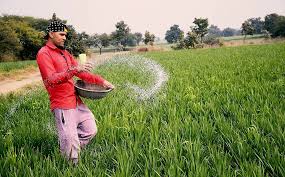
Farmers in major agricultural states such as Punjab and Madhya Pradesh are expressing growing anxiety over the availability of fertilizers ahead of the crucial kharif sowing season. Many fear that shortages could lead to lower crop yields, particularly for staples like rice, wheat, and corn.
In Sri Lanka, the situation is equally alarming. The country, still recovering from a recent economic crisis, is facing renewed pressure as fertilizer shortages threaten upcoming planting cycles. Agricultural experts warn that insufficient fertilizer supplies could significantly reduce harvests, especially for rice, the nation’s staple food.
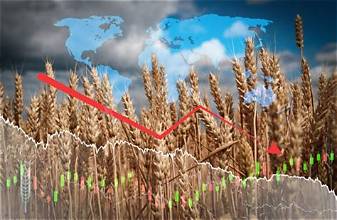
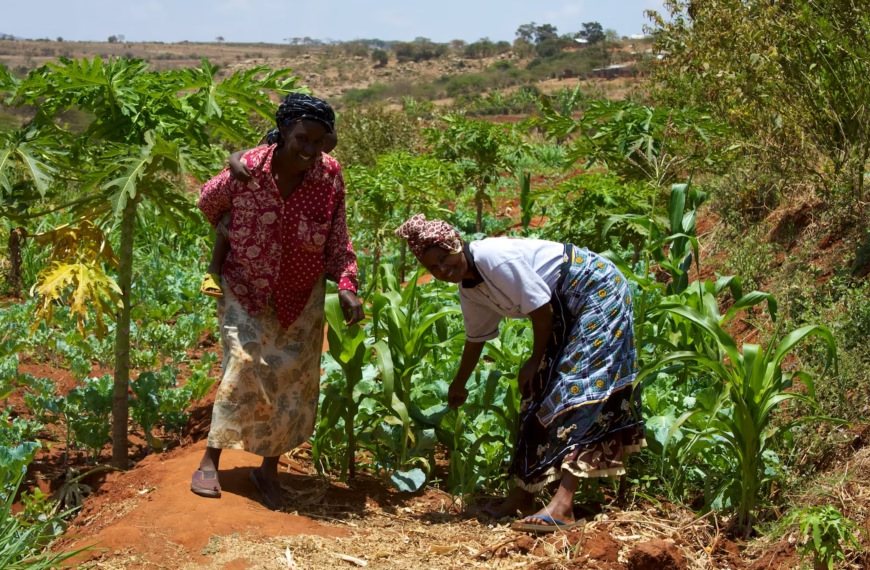
The broader implications of the crisis extend beyond individual countries. Fertilizer shortages are likely to reduce agricultural productivity globally, leading to tighter food supplies and higher prices. Developing nations, which are more dependent on imports and have limited financial capacity to absorb rising costs, are expected to be the hardest hit.
International organizations have also raised alarms. The World Food Programme has warned that millions of people could face increased food insecurity if the situation persists. Rising input costs may force farmers to reduce planting or switch to less input-intensive crops, further impacting overall food production.
Governments are attempting to mitigate the crisis by securing alternative supply sources, increasing subsidies, and promoting efficient fertilizer use. However, experts caution that these measures may only provide temporary relief unless global supply chains stabilize.
The ongoing fertilizer crisis highlights the vulnerability of global agriculture to geopolitical disruptions. As the conflict continues, ensuring steady access to critical farm inputs will be essential to prevent a wider food crisis and protect the livelihoods of millions of farmers worldwide.


 By
By