

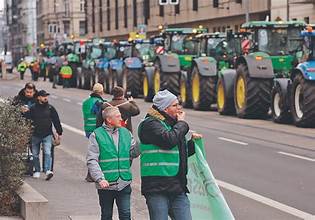
The European Union is preparing a comprehensive financial support package aimed at protecting farmers from escalating production costs driven by ongoing geopolitical tensions. The proposed measures include subsidies, tax relief, grants, and low-interest loans to help offset the sharp rise in fertilizer and fuel prices.
According to recent policy drafts, the European Commission is considering temporary relaxation of state aid rules, allowing member countries greater flexibility to financially support their agricultural sectors. This move comes as farmers across Europe face mounting pressure due to increased input costs, particularly for fertilizers and energy, which are critical for maintaining crop productivity.
The surge in costs has been largely attributed to disruptions in global supply chains, especially following tensions in key regions affecting energy and fertilizer exports. Fertilizer prices in the EU have reportedly risen by nearly 58% compared to 2024 levels, creating significant affordability challenges for farmers.
Under the proposed plan, governments may be allowed to cover up to 50% of the additional expenses incurred by farmers on fuel and fertilizers. These measures are expected to remain in place until at least the end of 2026, providing short-term relief while policymakers work on long-term strategies to stabilize the agricultural input market.
In addition to direct subsidies, the EU is also working on a broader Fertiliser Action Plan aimed at improving supply security and reducing dependency on imports. The bloc currently relies heavily on external sources for key fertilizer components, making it vulnerable to global disruptions.
The initiative reflects the EU’s broader effort to safeguard food production and prevent a potential agrifood crisis. Rising input costs not only threaten farmers’ profitability but could also lead to higher food prices and reduced agricultural output if left unaddressed.
The final proposal is expected to be adopted later this month after consultations with member states. If implemented, it will provide much-needed financial stability to Europe’s farming community during a period of economic uncertainty.


 By
By











