

The ongoing conflict involving Iran is creating serious disruptions in global agricultural supply chains, with several Asian countries facing rising fertilizer shortages, higher fuel costs, and increasing pressure on food production systems. Agricultural experts warn that the crisis could affect crop output and food availability in the coming months if supply disruptions continue.
One of the biggest concerns is the sharp rise in fertilizer prices linked to instability in the Middle East and disruptions around the Strait of Hormuz, a key global shipping route for oil, natural gas, and fertilizers. Analysts estimate that a significant share of global urea and fertilizer trade passes through this region, making international markets highly vulnerable to geopolitical tensions.
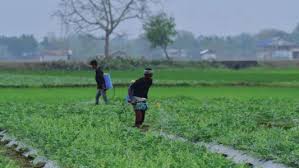
Farmers across countries such as Thailand, Bangladesh, Vietnam, and the Philippines are reportedly cutting back on planting activities due to soaring input costs. Higher diesel prices, expensive fertilizers, and uncertainty over future supplies are making cultivation financially difficult, especially for small and medium-scale farmers.
Agricultural economists say the situation is particularly worrying because the crisis is unfolding during critical planting periods for rice and other staple crops in Asia. Reduced fertilizer use and delayed sowing could eventually lower crop yields and tighten food supplies later in the year.
The conflict has also affected shipping and transportation networks. Rising bunker fuel prices and supply shortages are increasing freight costs across Asia, further pushing up the prices of agricultural commodities and farm inputs.
Several governments and international institutions are now exploring emergency measures to stabilize agricultural supply chains. Some countries are seeking alternative fertilizer suppliers, while development agencies are discussing financial support programs to reduce pressure on farmers and food markets.
Market experts believe prolonged geopolitical instability could deepen global food inflation and increase food security risks for import-dependent nations. They warn that without stable energy markets and uninterrupted fertilizer trade, agricultural production costs may remain elevated throughout the year, affecting both farmers and consumers worldwide.


 By
By











