

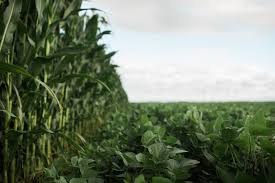
The United States Department of Agriculture (USDA) has released its first major outlook for the 2026 global crop season through the latest WASDE (World Agricultural Supply and Demand Estimates) and World Agricultural Production reports, projecting tighter global grain supplies amid growing weather risks, rising farm input costs, and changing planting trends across major agricultural economies.
According to the report, global grain markets are expected to remain under pressure as producers in several key exporting countries face uncertain weather conditions and increasing production expenses. Analysts say concerns over drought, irregular rainfall, and heat stress in major crop-growing regions could affect wheat, corn, and soybean output during the upcoming marketing season.
The USDA outlook indicates that higher fertilizer, fuel, and transportation costs continue to influence farmers’ planting decisions worldwide. In many regions, growers are shifting acreage toward crops with lower input requirements or stronger market returns, leading to changing global planting patterns.
Market observers noted that grain inventories are likely to remain relatively tight compared to previous years, particularly if adverse weather conditions continue in major producing nations such as the United States, Brazil, Argentina, Russia, and parts of Europe. Reduced carryover stocks could increase market volatility and keep international commodity prices elevated.
The report also highlighted growing uncertainty surrounding global trade flows due to geopolitical tensions and logistical disruptions in several export corridors. Rising shipping costs and unstable energy markets are adding further pressure to agricultural supply chains and food inflation globally.
Agricultural economists believe demand for feed grains and oilseeds will remain strong due to livestock production, food processing industries, and expanding biofuel sectors. However, slower economic growth in some regions may slightly moderate overall consumption growth during the year.
Experts say the 2026 crop outlook suggests that global food markets may continue to face supply-side challenges despite ongoing technological improvements and expanded use of climate-smart farming practices. Governments and agribusiness companies are expected to closely monitor weather developments and export trends over the coming months as planting seasons progress across different regions.


 By
By











