

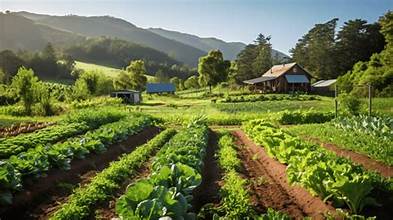
Regenerative agriculture is rapidly emerging as one of the most important solutions for creating a sustainable and climate-resilient global food system. Major multinational food companies such as Nestlé, PepsiCo, and McCain Foods are significantly expanding their regenerative agriculture initiatives across different parts of the world. These efforts are aimed at improving soil health, conserving biodiversity, reducing greenhouse gas emissions, and helping farmers adapt to changing climate conditions.
A newly launched international initiative known as the “Regenerating Together Programme” is expected to accelerate this transition by creating a common framework for sustainable farming practices. The programme seeks to bring together food companies, researchers, governments, and farmers under a unified approach that promotes environmentally responsible agriculture while ensuring long-term food security.
Focus on Soil Health and Biodiversity
Regenerative agriculture is a farming approach designed to restore and enhance natural ecosystems rather than simply maintaining them. It includes practices such as reduced tillage, crop rotation, cover cropping, organic manure application, agroforestry, and integrated livestock management. Experts believe these methods can improve soil fertility, increase water retention, and strengthen the ability of farms to withstand droughts and extreme weather events.
Under the new programme, participating companies will support farmers in adopting these climate-smart practices through financial assistance, technical guidance, digital tools, and long-term procurement partnerships. The initiative also aims to establish globally recognized standards for measuring improvements in soil carbon, biodiversity, and farm sustainability.
According to sustainability experts, healthy soils play a critical role in carbon sequestration and can become a powerful tool in mitigating climate change. Regenerative farming can also reduce dependence on chemical fertilizers and pesticides, lowering production costs and minimizing environmental pollution.
Farmers at the Center of the Transition
One of the key goals of the “Regenerating Together Programme” is to ensure that farmers remain at the center of agricultural transformation. Companies involved in the initiative are expected to work directly with farming communities to develop region-specific solutions that improve productivity without harming natural resources.
Several pilot projects have already shown encouraging results. Farmers adopting regenerative practices have reported better soil structure, improved crop resilience, reduced input costs, and enhanced long-term productivity. In some regions, regenerative systems have also contributed to increased biodiversity by supporting pollinators and beneficial insects.
Agricultural economists believe the growing corporate interest in regenerative agriculture reflects changing consumer preferences as well. Consumers worldwide are increasingly demanding sustainably produced food products with lower environmental footprints. As a result, food companies are integrating sustainability targets into their supply chains and sourcing policies.
Global Collaboration for a Sustainable Future
Industry leaders believe that collaboration will be essential for scaling regenerative agriculture globally. The new framework encourages cooperation among public institutions, private companies, research organizations, and farmer groups to create measurable environmental and economic outcomes.
Climate experts warn that global agriculture faces rising challenges from soil degradation, water scarcity, and unpredictable weather patterns. In this context, regenerative agriculture is being viewed not only as an environmental strategy but also as an economic necessity for securing future food production.
As more countries and corporations adopt sustainable farming commitments, regenerative agriculture is expected to become a central pillar of the global agricultural system in the coming years. The launch of the “Regenerating Together Programme” marks another major step toward building a resilient, farmer-friendly, and environmentally sustainable future for agriculture worldwide.


 By
By











