A new joint report by the World Meteorological Organization and the Food and Agriculture Organization has raised serious concerns over the growing impact of extreme heat on global agriculture. According to the report, rising temperatures and frequent heatwaves are pushing global agrifood systems “to the brink,” threatening crop production, livestock health, fisheries, farmer livelihoods, and long-term food security.
Climate scientists warn that the intensity and frequency of heat-related events have increased significantly over the past decade. Many agricultural regions across Asia, Africa, Europe, and the Americas are experiencing record-breaking temperatures, prolonged dry spells, and unpredictable weather conditions that are disrupting farming systems and reducing productivity.
The report highlights that extreme heat is no longer a seasonal challenge but an increasingly permanent threat to global food systems. Experts say climate stress is affecting every stage of agricultural production, from planting and crop growth to harvesting, transportation, and storage.
Crop Yields Under Severe Pressure
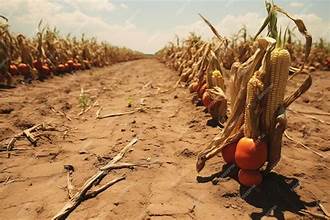
High temperatures are having a direct impact on major food crops such as wheat, rice, maize, soybean, and vegetables. Excessive heat during critical growth stages can reduce pollination, accelerate crop maturity, and lower grain quality and yields. In several regions, farmers are already reporting declining productivity due to prolonged heat stress and water shortages.
Agricultural researchers warn that even short periods of extreme temperatures can significantly damage sensitive crops. Heatwaves combined with drought conditions are also reducing soil moisture levels, making irrigation more difficult and increasing dependence on already stressed water resources.
According to the report, climate-related agricultural losses are expected to rise further if global temperatures continue to increase at current rates. Smallholder farmers in developing countries are considered especially vulnerable because they often lack access to irrigation systems, heat-tolerant crop varieties, crop insurance, and financial support.
Livestock and Fisheries Also at Risk
The impact of extreme heat extends beyond crop farming. Livestock production systems are facing rising stress due to higher temperatures and declining fodder availability. Heat stress in dairy animals and poultry can reduce milk production, fertility, growth rates, and overall animal health. In severe conditions, livestock mortality rates may also increase.
The fisheries sector is similarly under pressure as warming oceans, changing water temperatures, and declining oxygen levels affect fish populations and aquatic ecosystems. Coastal communities that depend heavily on fisheries for food and income may face increasing economic and nutritional challenges in the coming years.
Experts note that climate-induced disruptions in agriculture and fisheries could increase food price volatility and reduce food availability in vulnerable regions. Rising production costs and declining output may place additional pressure on low-income households already struggling with inflation and economic uncertainty.
Threat to Farmer Livelihoods and Rural Economies
The report emphasizes that millions of farmers worldwide are facing growing financial risks due to climate instability. Lower yields, livestock losses, water scarcity, and rising input costs are reducing farm incomes and increasing debt burdens in many rural areas.
International agencies are calling for urgent investments in climate-resilient agriculture, including drought-tolerant crop varieties, efficient irrigation systems, weather forecasting technologies, sustainable soil management, and early warning systems. Governments are also being encouraged to strengthen support programs for vulnerable farming communities.
Climate experts believe adaptation strategies will become essential for maintaining global food production in the coming decades. Without stronger international cooperation and faster climate action, the pressure on agrifood systems may continue to intensify.
The joint warning from the WMO and FAO serves as a critical reminder that climate change is no longer a future concern but an immediate challenge affecting global agriculture, rural livelihoods, and food security. As temperatures continue to rise, the need for sustainable and climate-smart farming solutions is becoming more urgent than ever.


 By
By