

Global food prices have climbed to their highest level in three years, raising fresh concerns over food inflation, supply chain stability, and affordability for millions of consumers worldwide. According to the latest assessment released by the Food and Agriculture Organization (FAO), international prices of key food commodities surged sharply due to geopolitical tensions, rising fertilizer costs, adverse weather conditions, and increasing demand from the biofuel industry.
The FAO Food Price Index, which tracks monthly changes in international prices of commonly traded food commodities, recorded a strong increase led by vegetable oils, cereals, and meat products. Analysts say the latest price rise reflects growing pressure on global agricultural supply chains at a time when many countries are already struggling with inflation and economic uncertainty.
Vegetable oil prices witnessed one of the sharpest jumps, driven by tighter supplies of palm oil, soybean oil, and sunflower oil in major exporting countries. Weather-related production concerns in Southeast Asia and South America, combined with higher energy prices, pushed edible oil markets upward. Increased use of vegetable oils for biofuel production has also intensified competition between food and fuel sectors, further tightening supplies.
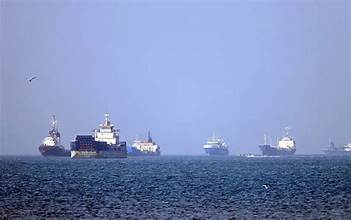
Cereal prices, including wheat, maize, and rice, also moved higher amid geopolitical instability and export uncertainties from key grain-producing regions. Ongoing conflicts affecting major agricultural trade routes have disrupted shipments and increased transportation costs. At the same time, several importing nations accelerated purchases to strengthen food security reserves, creating additional pressure on international markets.
Rising fertilizer prices remain another major factor contributing to global food inflation. Fertilizer production costs have increased significantly due to higher natural gas prices and supply disruptions in the global energy market. As fertilizers account for a substantial portion of crop production expenses, farmers across many countries are facing higher cultivation costs, which are ultimately being reflected in food prices.
The meat sector has also experienced notable price growth. Strong consumer demand, limited livestock supplies in some regions, and higher feed costs have pushed international meat prices upward. Poultry and beef markets, in particular, have seen increased volatility as producers grapple with rising production expenses and disease-related challenges in certain countries.
Agricultural economists warn that persistently high food prices could disproportionately affect low-income and food-importing nations. Many developing countries are already dealing with currency depreciation, climate-related crop losses, and rising import bills. Higher global food costs may increase food insecurity and place additional pressure on government subsidy programs.
Climate variability is further complicating the global food situation. Extreme weather events such as droughts, floods, and heatwaves have affected crop yields in several agricultural regions during recent seasons. Scientists and policy experts argue that climate resilience and sustainable farming investments will become increasingly important to stabilize long-term food production.
The surge in food prices is also influencing monetary policy discussions in several countries, as governments attempt to control inflation while protecting consumers from rising living costs. Some nations may consider export restrictions, import duty reductions, or food support measures to manage domestic supply and price stability.
Despite current challenges, market observers believe global food prices could stabilize if energy markets ease, fertilizer supplies improve, and major crop-producing countries achieve favorable harvests in upcoming seasons. However, uncertainty surrounding geopolitics, climate conditions, and global demand continues to keep agricultural markets highly sensitive.
The latest FAO report highlights the growing interconnectedness of agriculture, energy, trade, and global politics, demonstrating how disruptions in one sector can rapidly influence food systems across the world.


 By
By











