

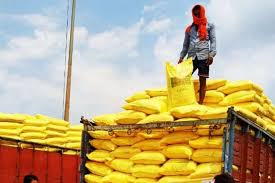
The Food and Agriculture Organization (FAO) has warned that ongoing disruptions in fertilizer supply chains and rising input costs could pose a significant threat to global food production, potentially creating new challenges for farmers, consumers, and agricultural markets worldwide.
Fertilizers play a critical role in modern agriculture by providing essential nutrients that help crops achieve optimal growth and productivity. Any major disruption in fertilizer availability can reduce crop yields, increase production costs, and ultimately affect food supplies. According to agricultural experts, the stability of fertilizer markets remains a key factor in maintaining global food security.
The FAO noted that international fertilizer trade continues to face uncertainties stemming from geopolitical tensions, trade restrictions, transportation bottlenecks, and fluctuations in energy prices. Since the production of many fertilizers relies heavily on natural gas and other energy sources, higher energy costs can quickly translate into increased fertilizer prices for farmers.
Rising fertilizer costs are already placing financial pressure on agricultural producers in many countries. Smallholder farmers are particularly vulnerable, as higher input expenses often force them to reduce fertilizer application rates or cut back on cultivated areas. Such decisions can lower crop productivity and reduce overall food production, especially in developing regions where access to agricultural inputs is already limited.
Agricultural economists warn that if fertilizer shortages or elevated prices persist, the impact could extend across multiple crops, including wheat, maize, rice, soybeans, and other staple foods. Lower production levels could tighten global supplies and contribute to higher food prices, increasing concerns about affordability and food access for millions of people.
The situation is especially important as global agriculture continues to face additional pressures from climate change, extreme weather events, and growing demand for food. Farmers in many regions are already dealing with droughts, floods, and heat waves that threaten crop performance. Limited access to fertilizers could further reduce their ability to maintain yields under challenging conditions.
Experts emphasize that fertilizer availability is closely linked to global food security. A decline in nutrient application not only affects current harvests but can also have longer-term consequences for agricultural productivity and rural incomes. Countries that depend heavily on imported fertilizers may face greater risks if international supplies become constrained.
To address these challenges, the FAO has encouraged governments and industry stakeholders to strengthen supply chains, promote efficient fertilizer use, and support farmers through targeted assistance programs. Investments in soil health management, precision agriculture, and sustainable nutrient practices can also help reduce vulnerability to supply disruptions while maintaining productivity.
The organization has further stressed the importance of keeping agricultural trade channels open and improving market transparency to prevent unnecessary shortages and price spikes. International cooperation, officials say, will be essential to ensuring that farmers around the world have access to the inputs needed for stable food production.
As global agriculture navigates an increasingly uncertain environment, the FAO’s warning highlights the crucial role fertilizers play in sustaining food systems. Ensuring reliable fertilizer supplies and affordable access for farmers will remain a key priority in protecting future harvests and maintaining global food security.


 By
By











