

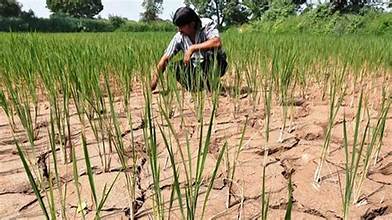
Climate experts are warning that a developing strong El Niño event could significantly disrupt agricultural production across several key farming regions, raising concerns about global food supplies and commodity markets. The weather phenomenon is expected to bring prolonged dry conditions and above-average temperatures to parts of Asia, Australia, and other crop-producing regions, potentially affecting yields of major staples.
Among the crops most at risk are wheat, rice, maize, and soybeans, all of which play a vital role in global food security. Farmers in some areas are already experiencing delayed planting, reduced soil moisture, and increasing heat stress, conditions that can hinder crop development and lower productivity if they persist through the growing season.
Agricultural analysts note that inadequate rainfall during critical growth stages could reduce harvest volumes and increase production costs. Water shortages for irrigation, combined with extreme temperatures, may also place additional pressure on farming communities and livestock operations.
The potential impact extends beyond the farm gate, with lower production likely to influence global grain supplies and contribute to price volatility in international markets. Import-dependent countries could face higher food costs if major exporting nations experience significant crop losses.
Governments and agricultural agencies are encouraging farmers to adopt climate-resilient practices such as efficient water management, drought-tolerant crop varieties, and improved weather monitoring to reduce risks. Experts also stress the importance of strengthening early warning systems and investing in sustainable farming technologies to help agriculture adapt to increasingly unpredictable climate patterns.
As weather conditions continue to evolve, producers and policymakers worldwide will closely monitor the progression of El Niño and its potential effects on crop production, food security, and global agricultural trade.


 By
By











