

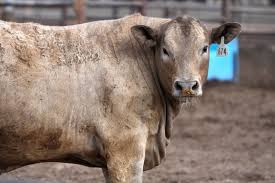
Livestock producers in the United States are facing renewed concerns over the spread of screwworm infestations, as animal health authorities intensify efforts to contain outbreaks and prevent further economic losses. The resurgence of the pest has prompted increased surveillance, movement controls, and biosecurity measures aimed at protecting cattle and other livestock populations.
Screwworms are the larvae of the New World screwworm fly, a highly destructive parasite that feeds on the living tissue of warm-blooded animals. Unlike many other fly species that target dead tissue, screwworm larvae infest open wounds, causing severe infections, tissue damage, and, in extreme cases, death if left untreated.
The recent outbreaks have alarmed livestock producers because of the potentially significant impact on animal health, productivity, and farm profitability. Cattle are among the most vulnerable animals, although sheep, goats, horses, wildlife, and even pets can also be affected. Infested animals often experience weight loss, reduced productivity, stress, and increased veterinary treatment costs.
Animal health experts warn that screwworm infestations can spread rapidly if not detected and controlled early. Female screwworm flies lay eggs in wounds, surgical sites, or other skin openings. Once hatched, the larvae burrow into healthy tissue, creating larger wounds that attract additional flies and increase the severity of the infestation.
In response to the growing threat, federal and state animal health agencies have expanded monitoring programs and strengthened containment measures. Veterinary officials are encouraging livestock owners to inspect animals regularly for wounds and signs of infection, particularly during periods of high fly activity. Rapid reporting of suspected cases is considered essential to preventing wider spread.
The livestock industry is also increasing awareness campaigns to help producers recognize the symptoms of screwworm infestations. Common signs include unusual wound enlargement, foul-smelling discharge, irritation, reduced appetite, and visible larvae within affected tissues. Early diagnosis and treatment can significantly improve recovery outcomes and limit economic damage.
Agricultural economists note that a widespread screwworm outbreak could have substantial financial consequences for the livestock sector. Beyond direct animal losses, producers may face increased spending on veterinary care, insect control programs, quarantine measures, and additional labor required for animal inspections and treatment. Trade restrictions could also emerge if outbreaks become more widespread.
The United States successfully eradicated screwworm from domestic livestock decades ago through coordinated control efforts, including the sterile insect technique, which involves releasing sterilized male flies to suppress wild populations. The recent resurgence has renewed discussions about maintaining strong surveillance systems and investing in rapid-response capabilities to prevent the pest from becoming re-established.
Industry groups are emphasizing the importance of collaboration between farmers, veterinarians, government agencies, and researchers. Effective monitoring, prompt treatment, and strict biosecurity protocols are considered critical to limiting the spread of the parasite and protecting livestock populations.
As authorities continue containment efforts, producers are being urged to remain vigilant and report suspected cases immediately. The outbreak serves as a reminder of the ongoing animal health challenges facing the livestock sector and the importance of maintaining robust disease and pest management systems to safeguard agricultural production and rural economies.


 By
By











