

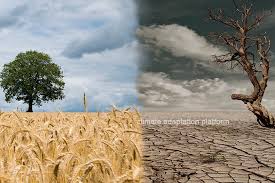
Rising temperatures and prolonged heatwaves are emerging as one of the most significant threats to global agriculture, according to recent assessments by the United Nations. Experts warn that extreme heat is already reducing yields of major food crops, placing additional stress on livestock, and increasing risks across food production systems worldwide.
The findings from the Food and Agriculture Organization (FAO) and other UN agencies highlight how climate change-driven temperature increases are affecting agricultural productivity in many regions. Farmers are experiencing more frequent and intense heatwaves, which can disrupt crop growth, reduce harvest quality, and limit overall production.
Agricultural scientists explain that crops such as wheat, maize, rice, and soybeans are particularly vulnerable to extreme temperatures during critical growth stages. Excessive heat can damage plant tissues, reduce pollination success, accelerate water loss, and shorten grain-filling periods. As a result, crops often produce lower yields and smaller harvests, even when other growing conditions remain favorable.
Heat stress is also placing growing pressure on livestock production systems. Cattle, poultry, sheep, and other farm animals can experience reduced feed intake, slower growth rates, lower fertility, and decreased milk or meat production when exposed to prolonged periods of high temperatures. In severe cases, extreme heat can increase animal mortality and create serious welfare concerns.
The UN assessments indicate that the impacts of heatwaves are becoming more widespread as global temperatures continue to rise. Regions that traditionally experienced occasional heat events are now facing longer and more frequent periods of extreme heat. This trend is increasing uncertainty for farmers and making agricultural planning more difficult.
Water availability is another major concern. High temperatures accelerate evaporation from soils, reservoirs, and irrigation systems, increasing crop water requirements at a time when water resources are often already under pressure. In many agricultural areas, heatwaves are occurring alongside drought conditions, further reducing productivity and threatening food supplies.
Food security experts warn that declining agricultural output could contribute to higher food prices and greater market volatility. Countries that rely heavily on domestic crop production may face increased challenges in maintaining stable food supplies, while import-dependent nations could become more vulnerable to global price fluctuations.
To address these risks, agricultural researchers and policymakers are promoting climate-resilient farming practices. These include the development of heat-tolerant crop varieties, improved irrigation systems, precision agriculture technologies, better livestock management strategies, and soil conservation practices that enhance water retention.
The UN is also encouraging greater investment in climate adaptation programs to help farmers cope with changing weather patterns. Early warning systems, weather forecasting services, and access to climate information are becoming increasingly important tools for reducing agricultural losses caused by extreme heat.
Despite the growing challenges, experts believe that proactive adaptation measures can help strengthen resilience across food systems. However, they stress that action is needed urgently as climate change continues to intensify weather extremes around the world.
As heatwaves become more common and severe, safeguarding agricultural production will remain a critical priority for governments, researchers, and farming communities. The latest UN assessments underscore the need for coordinated global efforts to protect crop yields, support livestock producers, and ensure long-term food security in an increasingly warming world.


 By
By











