

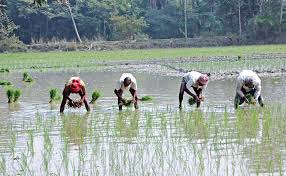
Bangladesh has taken a major step toward strengthening its agricultural sector with the launch of a Tk10,000 crore agricultural refinancing programme by the country’s central bank. The new initiative is designed to improve farmers’ access to affordable credit, increase agricultural production, support agribusiness development, and enhance national food security amid growing economic and climate-related challenges.
The refinancing scheme, introduced by Bangladesh Bank, is expected to provide much-needed financial support to farmers, agricultural entrepreneurs, and rural enterprises. By making loans more accessible and affordable through participating financial institutions, the programme aims to encourage investment in modern farming practices, improved technologies, and higher-value agricultural activities.
Agriculture remains one of the most important sectors of Bangladesh’s economy, contributing significantly to employment, rural livelihoods, and food production. Millions of smallholder farmers depend on timely access to credit for purchasing quality seeds, fertilizers, irrigation equipment, machinery, and other essential farm inputs. However, many producers continue to face difficulties obtaining affordable financing, particularly during the planting season.
Under the new refinancing programme, banks and other eligible financial institutions will be able to extend agricultural loans at competitive rates, with Bangladesh Bank providing refinancing support to ensure adequate liquidity. The initiative is expected to strengthen the flow of institutional credit to the agricultural sector while reducing farmers’ dependence on high-interest informal borrowing.
The programme also seeks to promote investment across the agricultural value chain. In addition to crop production, financing is expected to support livestock farming, fisheries, horticulture, agro-processing, cold storage infrastructure, and other agribusiness activities that contribute to rural economic growth and employment generation.
Government officials believe that expanding access to formal agricultural finance will encourage greater adoption of modern technologies such as precision farming, mechanized equipment, improved irrigation systems, climate-resilient crop varieties, and digital agricultural services. These investments can help improve productivity, reduce production costs, and strengthen the resilience of farming systems against climate-related risks.
Food security remains a key objective of the refinancing initiative. Bangladesh has made substantial progress in increasing agricultural production over the past several decades, but challenges such as population growth, changing weather patterns, rising input costs, and pressure on natural resources continue to threaten long-term food sustainability. By increasing investment in agriculture, policymakers hope to ensure stable food supplies while improving the incomes of farming households.
Agricultural economists have welcomed the refinancing programme, noting that easier access to affordable credit can significantly enhance productivity when combined with extension services, improved market access, and modern farming practices. They also emphasize the importance of ensuring that small and marginal farmers receive a substantial share of the financing so that the benefits reach those who need support the most.
Financial institutions participating in the scheme are expected to follow guidelines established by Bangladesh Bank to ensure transparent lending, efficient fund utilization, and proper monitoring of loan disbursement. Authorities are also encouraging banks to expand outreach in rural areas and simplify loan procedures to improve financial inclusion.
The launch of the Tk10,000 crore agricultural refinancing programme reflects Bangladesh’s continued commitment to building a more resilient and productive agricultural sector. If implemented effectively, the initiative could help increase farm output, strengthen agribusiness investment, improve rural livelihoods, and reinforce the country’s long-term food security while supporting sustainable agricultural development.


 By
By











