

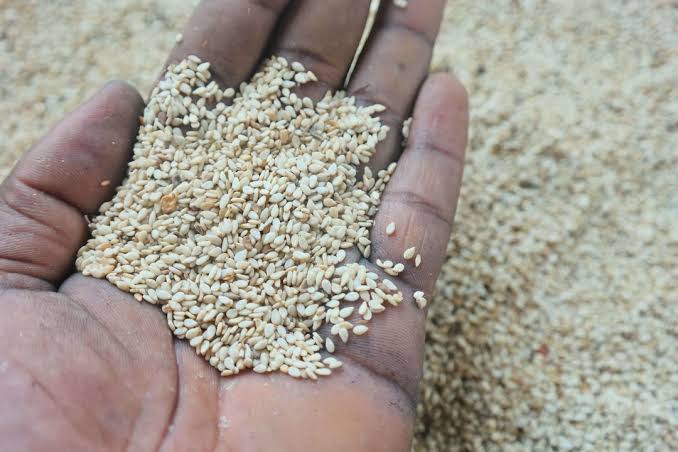
Nigeria’s sesame industry is facing growing uncertainty as exporters warn that worsening insecurity in key producing regions and forecasts of heavy flooding could significantly reduce production during the 2026 growing season. Industry stakeholders fear that the combined impact of these challenges may disrupt exports, reduce farmers’ incomes, and tighten global sesame supplies, particularly for major importing countries in Asia and the Middle East.
Nigeria is one of the world’s leading producers and exporters of sesame seeds, with the crop serving as an important source of foreign exchange and livelihood for hundreds of thousands of smallholder farmers. Nigerian sesame is widely valued in international markets for its high oil content and quality, making it a preferred commodity for food processing, confectionery, and edible oil industries.
However, exporters say that the outlook for the current season has become increasingly uncertain. Several major sesame-producing states have experienced persistent security challenges that continue to affect farming activities. Farmers in some areas have reportedly delayed land preparation and planting due to concerns over safety, while traders are facing difficulties accessing production zones and transporting harvested crops to processing centers and export terminals.
The security situation has also increased transportation and logistics costs. Exporters note that movement restrictions, higher insurance expenses, and disruptions along supply routes are making it more expensive to move sesame from farms to ports. These additional costs could reduce the competitiveness of Nigerian sesame in international markets if production volumes decline.
Adding to the concern are weather forecasts predicting above-normal rainfall and an increased risk of flooding in several agricultural regions during the peak growing season. Heavy rainfall can damage newly planted sesame fields, waterlog soils, and reduce crop establishment. Flooding during later stages of growth can also lead to plant diseases, lower seed quality, and significant yield losses.
Agricultural experts caution that sesame is particularly sensitive to excessive moisture. While adequate rainfall is essential for healthy crop development, prolonged waterlogging can severely affect plant growth and reduce overall productivity. If widespread flooding occurs in major production areas, both harvest volumes and export-quality supplies could decline substantially.
Global buyers are closely monitoring the situation because Nigeria plays a vital role in the international sesame trade. A reduction in Nigerian exports could tighten supplies in key importing markets, potentially leading to higher prices for food manufacturers and processors that rely on sesame for products such as bakery goods, snacks, tahini, edible oils, and seasonings.
Industry representatives are urging the government to strengthen security measures in farming communities, improve rural infrastructure, and implement effective flood preparedness programs. They also emphasize the need for timely weather advisories, improved drainage systems, and greater access to agricultural insurance to help farmers manage climate-related risks.
Experts believe that long-term investments in climate-resilient farming practices, better logistics networks, and enhanced security will be essential to sustaining Nigeria’s position as one of the world’s leading sesame exporters. Support for improved seed varieties, modern farming techniques, and stronger market linkages could also help farmers recover more quickly from future disruptions.
Although the final outcome of the 2026 sesame season will depend on weather conditions and the evolving security situation, exporters remain cautious. The coming months will be critical in determining whether Nigeria can maintain its export volumes and continue meeting global demand for one of its most valuable agricultural commodities.


 By
By











