

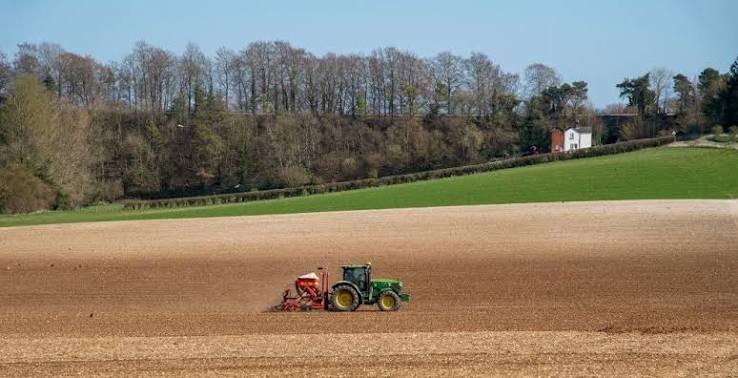
British farmers are facing mounting economic challenges as post-Brexit trade policies, rising production costs, and increased competition from imported agricultural products continue to put pressure on the country’s farming sector. Industry organizations are urging the government to introduce stronger policy measures to safeguard domestic agriculture, improve farm profitability, and ensure long-term food security.
Across the United Kingdom, farmers report that the combination of lower farmgate prices and steadily increasing production expenses has significantly reduced profit margins. While input costs such as fertilizers, animal feed, fuel, machinery, electricity, and labor remain high, many producers say they are unable to recover these expenses because of weaker prices received for their agricultural products.
The situation has become particularly difficult following the UK’s departure from the European Union, which has reshaped agricultural trade and introduced new market dynamics. Trade agreements with several countries have increased the availability of imported agricultural products, giving consumers greater choice but also intensifying competition for domestic producers. Many farming organizations argue that British farmers are competing against imports produced under different regulatory standards and cost structures, making it harder to remain competitive.
Livestock producers have expressed concerns over volatile meat and dairy prices, while arable farmers continue to deal with uncertainty surrounding grain markets and fluctuating input costs. Fruit and vegetable growers are also facing labor shortages and higher harvesting expenses, adding further strain to already tight operating margins.
Farming groups warn that continued financial pressure could discourage future investment in agriculture. Many producers have postponed purchasing new machinery, upgrading irrigation systems, or expanding production due to uncertainty over future returns. Smaller family farms are considered particularly vulnerable because they often have fewer financial resources to absorb prolonged periods of lower profitability.
Industry representatives are calling for stronger government support to improve the resilience of British agriculture. Among their key demands are fairer supply chain practices, greater investment in agricultural innovation, expanded environmental support programmes, improved access to skilled labor, and trade policies that ensure imported food products meet standards comparable to those required of UK farmers.
Agricultural experts emphasize that maintaining a strong domestic farming sector is essential not only for rural employment but also for national food security. The COVID-19 pandemic, geopolitical tensions, and climate-related disruptions have highlighted the importance of resilient local food production systems capable of reducing dependence on global supply chains during periods of uncertainty.
Climate change is adding another layer of complexity to the sector. Farmers are increasingly dealing with unpredictable weather, including droughts, floods, and extreme temperatures that affect crop yields and livestock productivity. These environmental challenges require additional investment in climate-resilient farming practices, water management, and sustainable production technologies, placing further financial demands on producers.
The UK government has introduced a range of agricultural reforms aimed at supporting environmental sustainability and rewarding farmers for ecosystem services. However, many industry leaders believe that financial support must also address the immediate economic pressures facing commercial agriculture to ensure that farms remain viable while transitioning to new policy frameworks.
Agricultural economists note that balancing free trade, environmental objectives, and farm profitability will remain one of the UK’s biggest policy challenges in the coming years. A competitive and resilient agricultural sector will require coordinated efforts involving government, industry, researchers, and financial institutions.
As British farmers prepare for future planting and production cycles, they continue to call for stable policies, fair market conditions, and targeted investment that will enable domestic agriculture to compete effectively, strengthen rural economies, and maintain a reliable supply of high-quality food for consumers across the United Kingdom.


 By
By











