

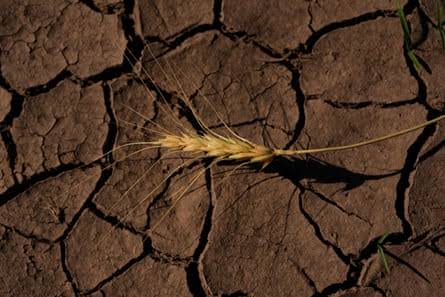
The developing 2026–27 Super El Niño is expected to place significant pressure on global food markets, with economists warning that extreme weather could trigger one of the strongest food inflation cycles in recent years. The phenomenon is likely to disrupt agricultural production across several major farming regions, leading to higher prices for key food commodities through 2028.
Experts say that El Niño, a natural climate pattern characterized by warmer-than-average sea surface temperatures in the central and eastern Pacific Ocean, often alters global weather conditions. During strong El Niño events, many agricultural regions experience prolonged droughts, while others face excessive rainfall and flooding. These weather extremes can reduce crop yields, disrupt harvesting, and interrupt supply chains.
According to economists, the current outlook suggests that the 2026–27 event could significantly affect the production of several globally traded agricultural commodities, including rice, coffee, sugar, cocoa, and palm oil. These products are essential to both food manufacturing and international trade, making any production shortfall likely to influence prices across global markets.
Rice production could face challenges in several Asian countries where drought conditions may reduce irrigation water availability during critical crop growth stages. At the same time, excessive rainfall in other regions could damage standing crops and delay harvesting operations. Since rice is the staple food for more than half of the world’s population, even modest supply disruptions can have widespread economic consequences.
Coffee-growing regions in South America and Southeast Asia may also experience irregular rainfall and higher temperatures, conditions that can reduce bean quality and productivity. Sugar production is expected to be affected by dry weather in key producing countries, while cocoa plantations in West Africa could face changing rainfall patterns that may impact flowering and pod development.
Palm oil production, concentrated mainly in Southeast Asia, may also come under pressure if drought conditions reduce oil palm yields. Lower production of palm oil can influence the prices of edible oils and processed food products worldwide, as it remains one of the most widely used vegetable oils in the global food industry.
Economists note that food inflation often lags behind weather events because crop losses take time to affect inventories and international trade. As a result, the full impact of the developing Super El Niño may continue to be felt well beyond the weather event itself, with price pressures potentially extending into 2028.
Higher food prices can have a significant impact on both consumers and farmers. While producers with good harvests may benefit from stronger market prices, those affected by droughts or floods may face reduced incomes due to lower production. For consumers, particularly in developing countries where food accounts for a large share of household spending, rising prices can increase the cost of living and place additional pressure on household budgets.
Agricultural experts recommend that governments strengthen weather monitoring systems, improve crop insurance coverage, invest in climate-resilient farming practices, and enhance water management to reduce the impact of extreme climate events. Diversifying crop production and promoting drought-tolerant varieties are also considered important strategies for improving resilience.
As climate variability continues to influence agricultural production worldwide, the developing Super El Niño serves as a reminder of the close connection between weather, food production, and global economic stability. Preparing for these challenges through timely planning and sustainable agricultural practices will be essential to minimizing disruptions to food supplies and protecting both farmers and consumers.


 By
By











