

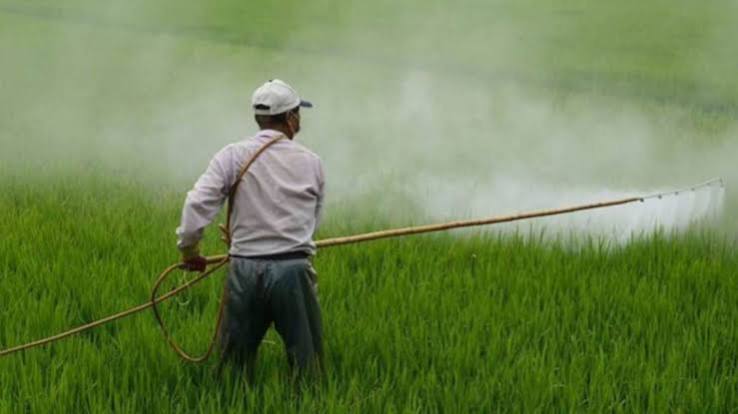
India’s recently approved National Investment Policy for Urea-2026 (NIPU-2026) is receiving widespread attention from international agricultural analysts, who view the initiative as a significant step toward strengthening the country’s fertilizer security and reducing its dependence on imported urea. The policy is expected to encourage fresh investments in domestic urea production while supporting India’s long-term food security goals.
Experts believe the policy reflects India’s strategic effort to expand its fertilizer manufacturing capacity at a time when global fertilizer markets continue to face volatility due to geopolitical tensions, fluctuating energy prices, and supply chain disruptions. By promoting greater domestic production, the country aims to ensure a more stable supply of urea for its agricultural sector.
Urea remains the most widely used nitrogen fertilizer in India and plays a critical role in maintaining crop productivity. Demand for the fertilizer has steadily increased alongside rising food production requirements. Although India has significantly expanded its fertilizer manufacturing capabilities over the past decade, a portion of domestic demand continues to be met through imports.
International market observers note that reducing import dependence has become increasingly important following recent disruptions in global fertilizer trade. Price fluctuations, shipping challenges, and changes in international energy markets have highlighted the need for countries to strengthen domestic fertilizer production and improve supply chain resilience.
The National Investment Policy for Urea-2026 is designed to encourage investments in new manufacturing facilities as well as modernization and expansion of existing fertilizer plants. Industry experts believe that increased domestic production could improve fertilizer availability, enhance supply reliability during peak agricultural seasons, and reduce exposure to global market uncertainties.
Agricultural economists suggest that greater self-reliance in fertilizer production may also contribute to more predictable input supplies for farmers. Timely availability of urea is essential for major crops such as rice, wheat, maize, sugarcane, and several horticultural crops. Strengthening domestic manufacturing can help minimize disruptions caused by international supply constraints.
The policy has also attracted attention because of its potential contribution to India’s broader agricultural and industrial development goals. Increased investment in fertilizer manufacturing is expected to generate employment opportunities, promote technological advancement, and strengthen the country’s chemical manufacturing sector. Expansion of domestic production capacity could also encourage improvements in energy efficiency and the adoption of cleaner production technologies.
Global agriculture analysts point out that many countries are now reassessing their fertilizer strategies in response to changing international market conditions. India’s approach is being viewed as an example of how long-term policy planning can help improve agricultural resilience while supporting national food security objectives.
Experts emphasize that fertilizer security is becoming increasingly important as climate variability places additional pressure on agricultural production. Reliable access to crop nutrients enables farmers to maintain productivity even under challenging growing conditions, making domestic fertilizer availability a key component of sustainable agricultural development.
While the success of the policy will depend on timely implementation, investment participation, and efficient project execution, analysts believe the initiative represents a positive step toward strengthening India’s fertilizer ecosystem. Increased domestic production could reduce exposure to international market fluctuations while providing greater confidence to farmers during critical cropping seasons.
As India continues to expand its agricultural production to meet the food requirements of a growing population, policies that support fertilizer self-reliance are expected to play an increasingly important role. The National Investment Policy for Urea-2026 demonstrates the country’s commitment to building a more resilient agricultural supply system while reducing dependence on imported fertilizers and enhancing long-term food security.


 By
By











