The financial outlook for parts of the U.S. farm sector is becoming increasingly challenging as farmers deal with weaker commodity economics, elevated production expenses and growing uncertainty over farm profitability. The pressure is raising concerns not only for individual producers but also for rural communities whose economies depend heavily on agriculture.
American agriculture has experienced significant changes in recent years, with farmers facing fluctuations in crop and livestock prices alongside rising expenses for fuel, fertilizer, machinery, labor, seed and other essential inputs. When commodity revenues fail to keep pace with these costs, farm margins can come under considerable pressure.
Rising Costs Squeeze Farm Margins
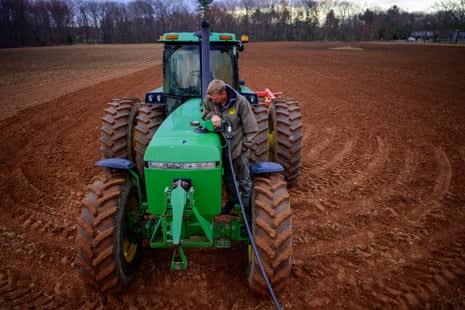
Production costs remain one of the key concerns for U.S. farmers. Inputs required to produce major crops can represent a substantial portion of total farm expenditure. Higher prices for fertilizer, fuel, equipment, repairs and other operating requirements can quickly reduce returns when crop prices weaken.
For farmers operating on large acreages, even a modest increase in per-acre costs can translate into a significant rise in overall expenses. Producers may respond by reducing discretionary spending, delaying machinery purchases or reassessing their planting and input strategies.
However, not all costs can be easily reduced. Farmers still need to maintain adequate levels of seed, nutrients, crop protection products and equipment to protect yields, making cost management particularly difficult during periods of weak commodity prices.
Commodity Markets Add to Uncertainty
Farm profitability is closely linked to commodity prices. When supplies are abundant or demand weakens, prices for major agricultural commodities can decline. Farmers may then receive lower revenues despite having invested heavily in producing their crops.
This creates a difficult financial equation: producers face many expenses before harvest, while the final selling price remains uncertain.
Market volatility can also complicate decisions about crop selection, storage and marketing. Farmers must determine whether to sell immediately, store their production or wait for potentially better prices, while taking into account storage, financing and market risks.
Rural Economies Could Feel the Impact
Financial stress within the farm sector can extend beyond individual farms. Agriculture supports a wide network of rural businesses, including equipment dealers, input suppliers, transport companies, grain handlers, banks and local service providers.
When farmers reduce spending because of tighter margins, businesses that depend on agricultural customers may also experience weaker demand. A prolonged period of financial pressure could therefore have broader consequences for rural employment and local economic activity.
Farm debt is another area attracting attention. Producers facing lower revenues may rely more heavily on credit to finance operations, potentially increasing financial obligations if weak market conditions persist.
Farmers Look for Ways to Manage Risk
Producers are increasingly focused on improving efficiency, controlling expenses and protecting income wherever possible. Crop insurance, forward contracts, diversified farm operations and careful financial planning can help farmers manage some of the risks associated with volatile markets.
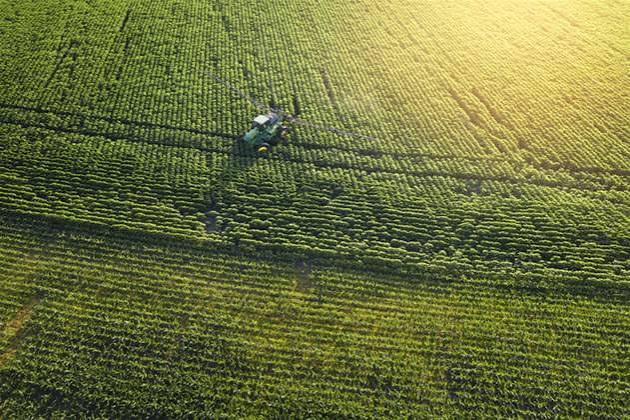
Technology may also play a role. Precision agriculture, data-based input management and improved farm machinery can help producers make more targeted decisions and potentially reduce unnecessary costs.
The financial challenges facing U.S. farmers highlight the delicate balance between production costs and commodity returns. While conditions vary significantly between crops, regions and individual farms, continued pressure on profitability could become an important issue for the broader U.S. agricultural economy.
As farmers enter future production cycles, commodity prices, interest rates, input costs, weather conditions and global demand will remain critical factors shaping the financial health of the American farm sector.


 By
By