The U.S. agricultural sector is facing another potential increase in operating expenses as diesel prices climb to a reported record $5.820 per gallon. The sharp rise in fuel costs is creating concerns for farmers, transport operators, food processors and other businesses across the agricultural supply chain.
Diesel is a critical input for modern agriculture. From field preparation and planting to irrigation, harvesting and transportation, farming operations depend heavily on diesel-powered machinery. Higher fuel prices can therefore increase production costs at several stages of the journey from farm to consumer.
Higher Fuel Costs Hit Farm Operations
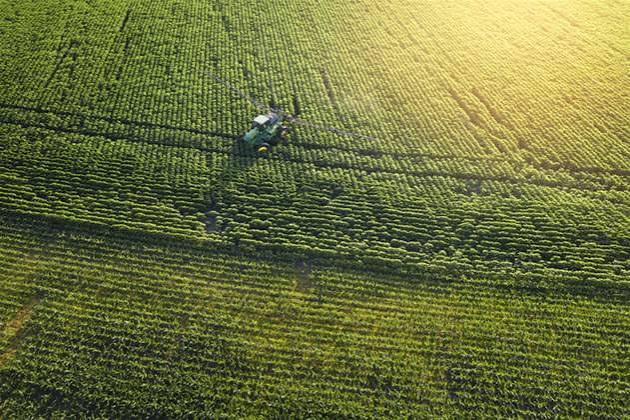
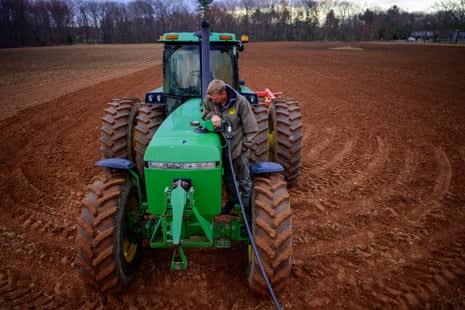
Tractors and other agricultural machinery consume significant amounts of diesel during activities such as ploughing, planting, spraying and harvesting. When fuel prices rise sharply, farmers can face substantially higher expenses even if the amount of fuel they use remains unchanged.
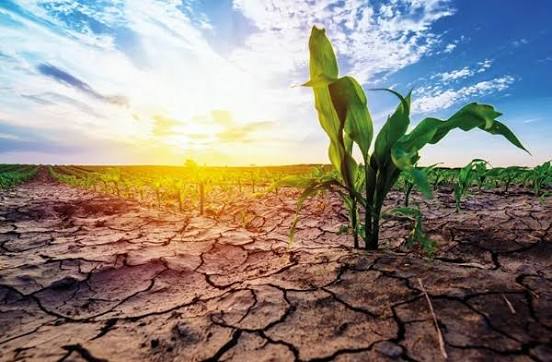
Irrigation can also become more expensive in farming areas where diesel-powered pumps are used to move water. During periods of dry weather, when irrigation demand is already high, rising fuel costs can make it more expensive for farmers to maintain adequate water supplies for their crops.
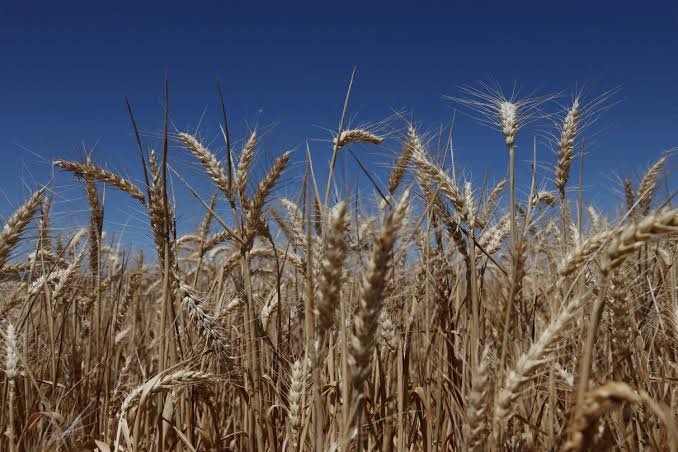
Harvesting is another fuel-intensive stage of agricultural production. Combines, tractors, trucks and other equipment require substantial amounts of energy during peak harvest periods. Higher diesel prices could consequently add pressure to farm budgets at a particularly important time of the production cycle.
Transportation Costs Could Increase
The impact of expensive diesel extends beyond the farm. Agricultural commodities often travel considerable distances from farms to grain elevators, processing facilities, ports, warehouses and retail markets.
Trucking companies rely heavily on diesel, meaning higher fuel prices can increase freight charges. These additional costs may eventually be reflected in the prices paid by grain traders, processors and other agricultural businesses.
For export-oriented agriculture, increased transportation expenses could also affect competitiveness. Higher inland freight costs may make it more expensive to move U.S. agricultural commodities to ports and international markets.
Food Processing Faces Additional Pressure
Fuel costs can influence food prices even after agricultural products leave the farm. Processing plants, storage facilities and distribution networks require energy to handle, process and transport agricultural commodities.
When fuel and transportation expenses rise across multiple stages, businesses may attempt to absorb some of the increase, pass additional costs to customers or adjust their operating strategies.
The potential effect on consumer prices will depend on several factors, including commodity prices, energy markets, transportation rates and the ability of businesses to manage higher operating expenses.
Farmers Face a Difficult Cost Environment
The diesel price increase comes at a challenging time for farmers who are already managing volatile commodity markets and elevated input expenses. Higher fuel costs could further narrow profit margins, particularly for producers operating with limited financial flexibility.
Farmers may respond by improving fuel efficiency, reducing unnecessary field operations, optimizing machinery use or adopting precision-agriculture technologies. However, many essential farm activities cannot simply be eliminated without affecting production.
The record diesel price highlights how closely agriculture is connected to energy markets. A sustained period of expensive fuel could increase costs throughout the agricultural supply chain, from planting and irrigation to harvesting, transportation and food processing.
For U.S. farmers and agricultural businesses, fuel prices will therefore remain an important factor to watch as they assess production costs, profitability and future market conditions


 By
By