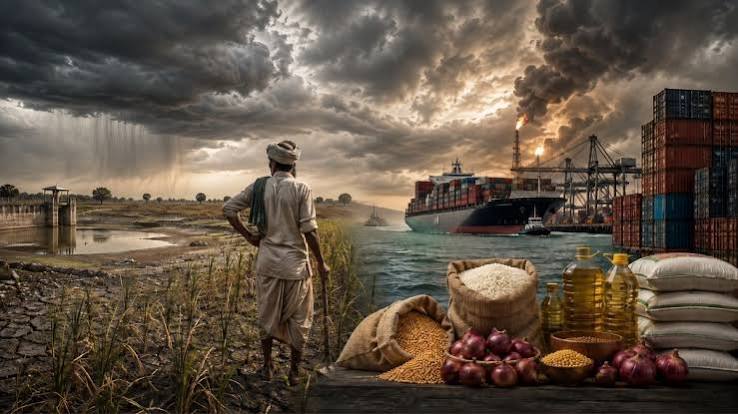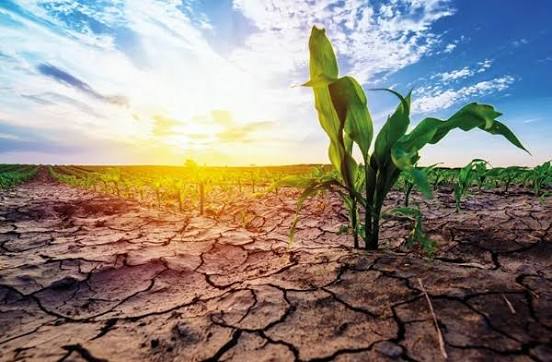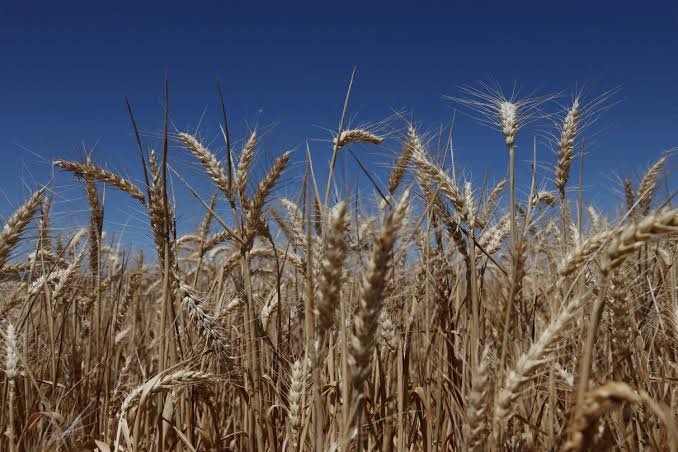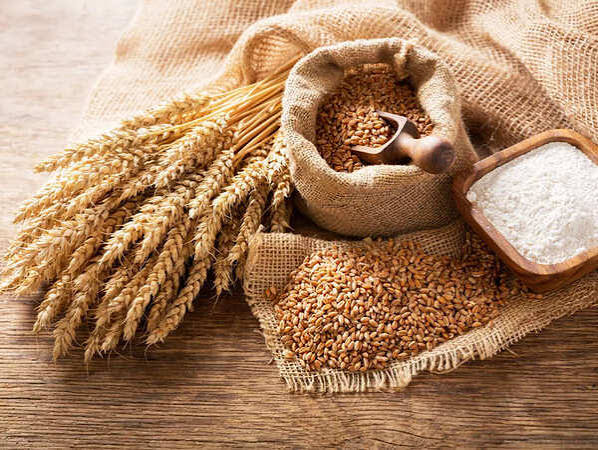
The outlook for global grain supplies has weakened after the International Grains Council (IGC) lowered its forecast for worldwide grain production in the 2026/27 marketing year by around 6 million tonnes. The downward revision reflects growing concerns over the impact of hot and unfavourable weather conditions on crops in several important producing regions.
The latest adjustment highlights the increasing influence of extreme temperatures on global agriculture. While grain production varies significantly between countries and crops, prolonged periods of heat can reduce yields by affecting plant development, soil moisture and water availability.
Hot Weather Adds Pressure on Farmers
High temperatures can be particularly damaging when they occur during critical stages of crop development. Wheat, maize, barley and other major grains require adequate moisture and favourable temperatures to reach their production potential.
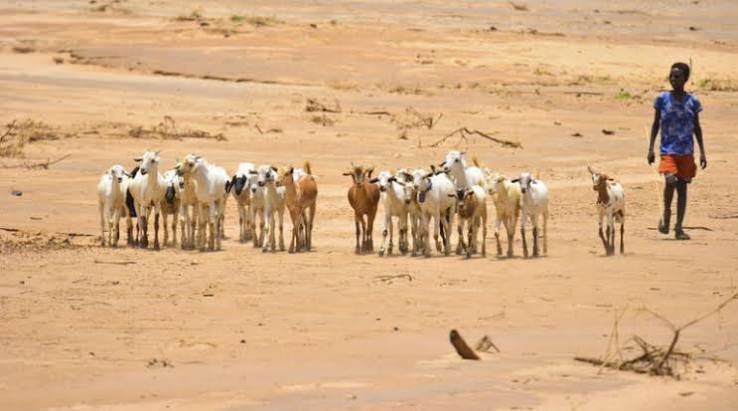
When extreme heat occurs alongside insufficient rainfall, crops can experience severe moisture stress. Farmers may be forced to increase irrigation where water is available, while rain-dependent producers have fewer options to protect their fields.
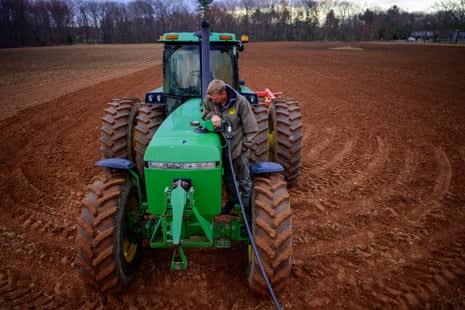
The combination of heat and water shortages can reduce grain yields and, in severe cases, result in crop losses. Such conditions can also increase production costs as farmers spend more on irrigation, energy and other measures aimed at protecting crops.
Global Supply Outlook Comes Under Pressure
The IGC’s reduction of approximately 6 million tonnes may appear relatively small compared with total global grain production, but changes in production forecasts can have an important effect on international markets.
Grain traders, food processors, livestock producers and governments closely monitor global production estimates because they influence expectations about supply, prices and trade flows. A lower harvest forecast can increase market sensitivity to additional weather problems later in the season.
If production declines further in major exporting countries, importing nations could increase purchases from alternative suppliers. This may change global trade routes and increase competition for available grain supplies.
Livestock Sector Could Also Be Affected
The impact of lower grain production could extend to the livestock industry. Maize, wheat and other grains are widely used as animal feed. Reduced availability or higher grain prices can therefore increase feed costs for poultry, dairy and meat producers.
Higher feed expenses can place additional pressure on livestock farmers, particularly those already dealing with elevated labour, energy and other operating costs.
Food manufacturers could also face higher raw-material costs if grain markets tighten significantly.
Weather Remains a Key Market Factor
The latest IGC revision demonstrates how quickly agricultural production expectations can change when weather conditions deteriorate. Although the final size of the 2026/27 global grain harvest will depend on conditions during the remainder of the growing and harvesting periods, heat remains an important risk factor.
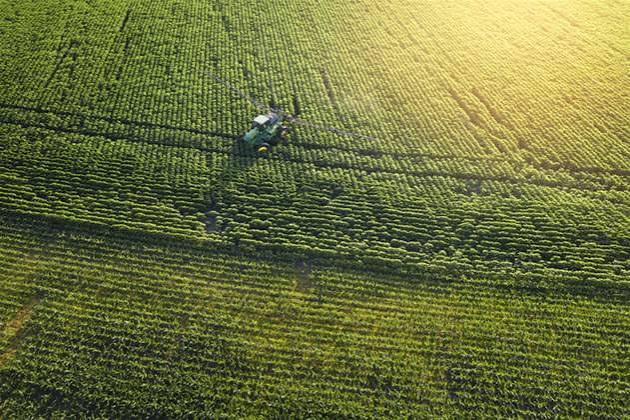
Farmers are increasingly exploring climate-resilient practices, including drought-tolerant crop varieties, efficient irrigation, improved soil-moisture management and precision agriculture.
For global grain markets, the next several months will be closely watched. Changes in rainfall, temperatures, crop conditions and harvest progress could lead to further revisions in production forecasts.
The IGC’s latest reduction serves as another reminder that extreme weather is becoming an increasingly important variable in global food production, with consequences that can extend from farms to international commodity markets and ultimately consumers.

 By
By