China has unveiled a major financing and investment strategy aimed at strengthening food security, agricultural production and rural development through 2030. The new plan seeks to bring together government funding, bank lending, agricultural insurance, bonds and private investment to create a stronger and more diversified financial system for the country’s rural economy.
The announcement comes as China continues to place food security at the centre of its national development strategy. Under the new approach, rural areas and major grain-producing regions are expected to receive greater financial support, with increased government budget allocations and compensation designed to strengthen agricultural production capacity.
Greater Financial Support for Agriculture
A key feature of the plan is the expansion of financing channels available to agriculture and rural development. Local governments will be allowed to use proceeds from special and general-purpose bonds for rural infrastructure and development projects.
Chinese banks are also being encouraged to increase lending to major grain- and seed-producing regions. Financing will focus on areas considered critical to national food security, including agricultural infrastructure, seed development, technological innovation and production capacity.
The strategy also proposes new financial mechanisms that can enable farmers and agricultural businesses to obtain loans using agricultural assets as collateral. This could improve access to institutional credit, particularly for rural enterprises and agricultural projects that may otherwise face difficulties securing conventional financing.
Agricultural Insurance to Play a Bigger Role
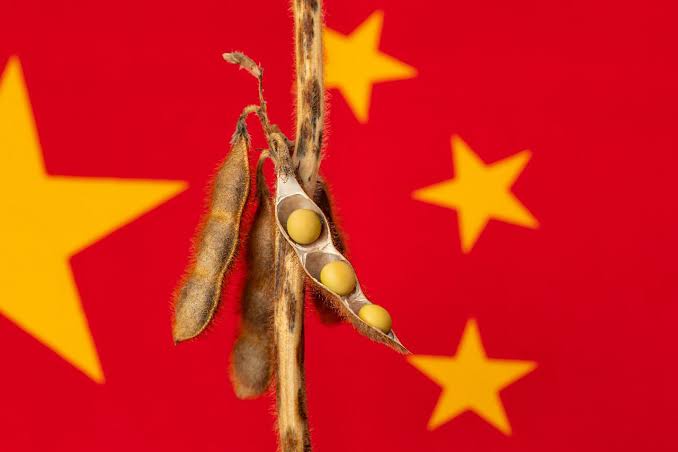
Agricultural insurance is another major pillar of the strategy. China plans to expand insurance coverage for key staple crops, including rice, wheat, maize and soybeans.
The proposed expansion could provide stronger protection against production and income risks, particularly as agriculture faces increasing challenges from extreme weather, climate variability and market uncertainty.
China has already been expanding agricultural insurance support in recent years. The OECD reported that the country earmarked 54.5 billion yuan ($7.6 billion) for agricultural insurance premium subsidies in 2024, an increase of 18.7% from the previous year.
Private Investment and Rural Development
The new plan also seeks to increase participation from the private sector. China intends to encourage specialised rural investment funds and market-based financing instruments, including agricultural company listings and real-estate investment trusts (REITs).
Rural collective organisations are also being encouraged to make better use of land and other resources for development projects, including renewable energy initiatives. The government plans to strengthen oversight of rural investment to ensure that funding is used efficiently and financial risks remain under control.
A Strategic Move for Global Food Security
China is one of the world’s largest agricultural producers and consumers, making its food-security policies important for global commodity markets. Greater investment in domestic grain production, agricultural technology, infrastructure and insurance could help the country reduce supply risks and strengthen the resilience of its food system.
The 2026–2030 period will therefore be critical for China’s agricultural transformation. By combining public funding with credit, insurance, bonds and private capital, Beijing is attempting to build a more resilient rural economy while protecting the country’s long-term food supply.
The strategy also highlights a broader global trend: as climate change, geopolitical tensions and supply-chain disruptions create new risks for agriculture, governments are increasingly treating food security not only as an agricultural issue, but as a matter of economic and national security.


 By
By