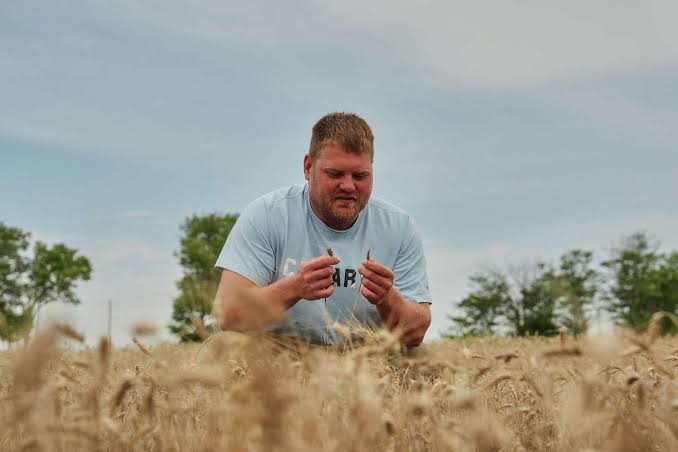
Farmers in the United States are increasingly exploring perennial grains as a potential solution to some of the challenges created by extreme weather, soil degradation and rising pressure on agricultural resources. Among the most promising crops is Kernza, a perennial grain developed from intermediate wheatgrass that can remain productive for several years without being replanted every season.
Unlike conventional annual grains, which are planted and harvested within a single growing cycle, perennial grains develop deep and extensive root systems. These roots remain in the soil after harvest, allowing the plant to continue growing and reducing the need for repeated soil disturbance.
Deep Roots Could Improve Drought Resilience
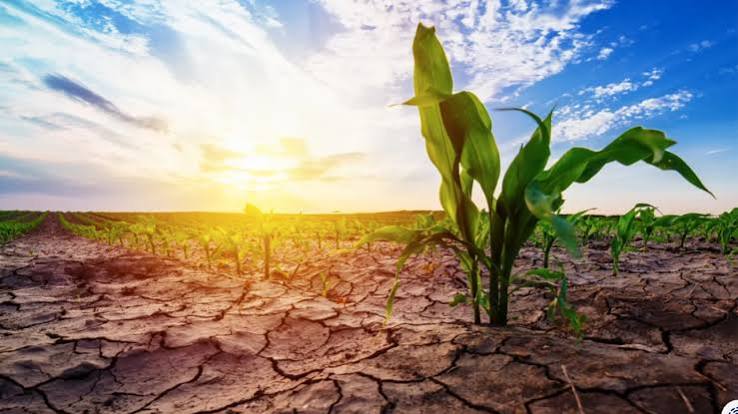
One of the major attractions of Kernza is its deep root system. Because the roots extend farther into the soil than many annual crops, perennial grains may be able to access moisture from deeper soil layers during periods of limited rainfall.
This characteristic could become increasingly valuable as farmers face drought, heatwaves and increasingly unpredictable precipitation. While Kernza is not a solution to every climate challenge, researchers are investigating whether its perennial growth habit can help stabilize production under stressful conditions.
Less Soil Disturbance, Lower Erosion Risk
Conventional annual grain production often requires fields to be prepared and replanted every year. This repeated soil disturbance can contribute to erosion and the loss of soil organic matter.
Kernza’s permanent root network keeps the soil covered for much longer. The living roots can help hold soil together, improve soil structure and reduce erosion caused by wind and heavy rainfall.
Maintaining plant cover throughout more of the year may also improve water infiltration and reduce the amount of soil and nutrients washed away from agricultural fields.
Potential Carbon Benefits
Perennial grains are also attracting attention because of their potential role in carbon sequestration. Their extensive root systems can contribute organic matter below ground, creating opportunities to store more carbon in agricultural soils.
However, the amount of carbon that can ultimately be stored depends on factors such as soil type, climate, management practices and how the crop is grown. Researchers continue to study the long-term carbon benefits of perennial grain systems.
Kernza Offers a Different Farming Model
Kernza is being explored not only as a crop but also as part of a broader effort to develop more sustainable agricultural systems. Researchers and farmers are examining its potential uses in food products, beverages and animal feed while working to improve yields and agronomic performance.
One of the major advantages is that farmers may be able to harvest grain without completely removing the plant from the field. The crop can then regrow, potentially reducing the cost and environmental impact associated with annual replanting.
Challenges Still Need to Be Addressed
Despite its potential, perennial grain production faces important challenges. Yield, seed availability, disease management, weed control, harvesting technology and market development remain areas requiring further research and investment.
Kernza currently does not match the productivity of major conventional grains such as wheat in many farming systems. For widespread adoption, farmers will need reliable varieties, competitive economics and established markets.
A Potential Tool for Climate-Resilient Agriculture
The growing interest in Kernza reflects a broader shift in agricultural research toward crops that can work with natural ecosystems rather than requiring intensive annual soil disturbance.
If researchers can improve yields and economics, perennial grains could become an important component of climate-resilient agriculture, helping farmers protect soil, conserve water, reduce erosion and potentially increase carbon storage.
For US agriculture, Kernza represents an intriguing idea: instead of rebuilding the field every year, farmers could maintain a living crop and root system year after year while continuing to harvest grain.

 By
By