China’s Soybean Demand Weakens, Creating Fresh Pressure on U.S. ExportsChina’s soybean market is facing a period of softer demand, raising concerns for U.S. exporters at a time when the American soybean harvest is adding fresh supplies to the global market. High inventories, weak livestock-feed consumption and unfavorable crushing margins are making Chinese buyers more cautious about new purchases.
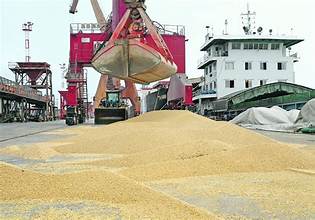
China is the world’s largest soybean importer, with imported beans mainly processed into soybean meal for animal feed and soybean oil. Any significant change in Chinese buying activity can therefore have a direct impact on international soybean prices and export flows.
Record-High Stocks Reduce Buying Urgency
Soybean inventories held by Chinese crushing facilities have climbed to exceptionally high levels. Large stocks mean processors have less immediate need to secure additional cargoes, particularly when profitability from crushing soybeans remains weak.
The situation has been further complicated by softer demand from the livestock sector. China’s hog industry has been undergoing adjustments, while efforts to control excess production could reduce the requirement for soybean meal in animal feed.
For soybean crushers, this creates a difficult combination: expensive raw material supplies, limited feed demand and pressure on margins.
South American Soybeans Gain an Advantage
While Chinese buyers remain cautious, South American suppliers continue to benefit from competitive pricing. Brazil and Argentina have become increasingly important sources for China’s soybean requirements, with private buyers showing greater interest in cargoes from these origins.
Brazil’s position is particularly strong because of its large soybean production base and established trade relationship with China. The availability of South American beans is giving Chinese processors an alternative to U.S. supplies at a time when trade costs are influencing purchasing decisions.
Tariffs Complicate U.S. Shipments
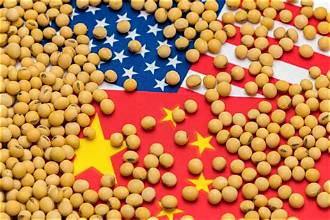
U.S. soybean exporters are facing an additional challenge because American soybeans remain subject to tariffs in the Chinese market. The additional cost can make U.S. cargoes less attractive when buyers can obtain competitively priced supplies from Brazil or Argentina.
This is particularly important during the U.S. harvest season. American farmers and exporters typically depend on strong export demand to absorb large volumes of newly harvested soybeans. If China’s private buyers continue to favor South American supplies, U.S. exporters may have to look more aggressively toward other international markets.
Chinese Buyers Remain Cautious
Recent purchasing activity indicates that Chinese commercial buyers are not rushing to replenish soybean inventories. Many processors have already secured supplies from South America, reducing their immediate requirement for additional shipments.
State-owned Chinese companies have continued to participate in purchases of U.S. soybeans, but private crushers appear more focused on managing existing inventories and protecting processing margins.
The weak response to soybean offerings from China’s reserves also points to limited buying appetite among some market participants.
What It Means for the Global Soybean Market
China’s soybean demand will remain one of the most important factors for the global oilseed market in the coming months. A prolonged slowdown in Chinese imports could increase competition among exporters and put pressure on prices, particularly if U.S. supplies remain abundant during the harvest period.
However, China’s soybean requirement remains structurally large. A recovery in livestock-feed consumption, an improvement in crushing margins or changes in trade policy could encourage Chinese buyers to return to the market.
For U.S. farmers and exporters, the immediate focus will be on China’s purchasing decisions, South American price competitiveness and the future direction of U.S.-China trade relations.
The global soybean market is therefore entering a closely watched period, with China’s inventory position and import demand likely to play a major role in determining trade flows during the months ahead.


 By
By